Materials Testing Laboratory Services

Introduction to Material Testing Services

Material testing is at the foundation of quality assurance and product development for all manufacturing and engineering efforts. Material testing enables industries to measure materials physical, chemical, mechanical, and environmental performance—validation for design intention, regulatory acceptability, and operational reliability. For product new development, for qualifying receipt for materials, or for performance failure analysis, material testing provides information based on data for expert decisions and enhanced end product outcomes.

With Infinita Lab, our Material Testing Services enable evaluation of materials at every stage of their lifecycle, ranging from the selection/design stage, through verification during manufacturing, up to failure analysis. Our labs house sophisticated instrumentation, managed by skilled experts in metals, polymer, ceramics, composite, thin film, elastomer, semiconductor, and nanomaterial analysis. Infinita Lab promises a deliverance of reliability, precision with each analysis.

Some of the Key Material Testing Capabilities

Chemical Analysis

Proper analysis of elemental make-up provides proof of purity of materials, contaminant identification, and proof of specifications adherence. With sophisticated methods like Optical Emission Spectroscopy (OES), X-Ray Fluorescence (XRF), and Fourier Transform Infrared (FTIR) Spectroscopy, Infinita Lab conducts full elemental and molecular identification of metals, alloys, and polymers. This provides materials consistency, supplier verification, and process consistency.

Mechanical Testing

The mechanical testing examines the materials’ response when a force is being introduced, which provides crucial details on strength, elasticity, and endurance. Standard testing like tensile, compressive, flexural, hardness, fatigue, and impact testing are performed using both the ASTM and ISO methods. They assist in validating product design, manufacturing quality, and service life performance under real service conditions.

Thermal and Environmental Testing

The environmental exposure and heat might significantly affect a material’s performance. Infinita Lab uses Thermogravimetric Analysis (TGA), Differential Scanning Calorimetry (DSC), and Dynamic Mechanical Analysis (DMA) for thermal stability and transition determination. Corrosion, humidity, salt spray, and aging findings also assess materials performance for extreme environments, which help industries such as aeronautics, automotive, and energy.

Electrical and Optical Testing

There are available electronic and photonic materials tests, such as electrical resistivity, dielectric strength, conductivity, and optical transmittance testing that are employed for coating, thin film, and semiconductor materials functional validation for manufacturer optimization of components for efficiency and reliability.

Failure Analysis and Root Cause Investigation

Upon failure or defect occurrence due to materials, determination of the causative factor allows for the prevention of its recurrence. Infinita Lab uses Scanning Electron Microscopy (SEM), Energy Dispersive X-ray Spectroscopy (EDS), Fractography, and micro-hardness analysis for identification of the issue such as cracking, corrosion, delamination, or contamination. Our experts have actionable suggestions for enhanced process control and product reliability.

Product Reliability and Qualification Testing

Finished materials need to react predictably when confronted with actual service conditions. We test usage environments such as thermal cycling, vibrational usage, impact, electrostatic discharge, and temperature/humidity stress to assess durability and forecast service life.

Why Choose Infinita Lab for Material Testing Services?

At the core of this breadth is our network of 2,000+ accredited labs in the USA, offering access to over 10,000 test types. From advanced metrology (SEM, TEM, RBS, XPS) to mechanical, dielectric, environmental, and standardized ASTM/ISO testing, we give clients unmatched flexibility, specialization, and scale. You’re not limited by geography, facility, or methodology—Infinita connects you to the right testing, every time.

Looking for a trusted partner to achieve your research goals? Schedule a meeting with us, send us a request, or call us at (888) 878-3090  to learn more about our services and how we can support you. Request a Quote

Essential FAQs on Material Testing Service Materials Testing Services

Where can I get materials testing done?

We at Infinita Lab provide the best material testing services to assist you with material selection, material design, performance testing, failure analysis, specification compliance, and root cause analysis.

How much do materials testing cost?

Materials testing covers every test that measures the properties and behaviors of materials under various conditions. It covers physical, chemical, and biological tests. The cost of a test depends on the type of test, the sample, and the industry. Please contact us for a detailed quote for your testing needs.

What are the uses of material testing?

Material testing is used for determining the behavior and properties of materials, properties such as chemical, mechanical, thermal, electrical, optical, or biological. The data from these tests are used by industries for manufacturing products and services.

What is included in materials testing?

Materials testing covers five major categories: mechanical testing; testing for thermal properties; testing for electrical properties; testing for resistance to corrosion, radiation, and biological deterioration; and non-destructive testing.


3 Easy Steps to Start Testing

1
Share Your Testing Material Details with Us
2
Hassle-Free Collection Pick-Up Service
3
We Find the Lab, You Get the Results

Precession Electron Diffraction (PED): Advanced Crystal Structure Analysis Understanding the Importance of Tensile Strength in Materials Testing Understanding the Scanning Electron Microscope: Principles, Capabilities, and Applicationsx Key Differences Between SEM and TEM: Principles, Resolution, and Material Analysis Applications Introduction to SEM Analysis Techniques: Imaging, EDS & Applications A Complete Guide on Peel Strength Testing  ASTM D543: Chemical Compatibility ASTM D1894 Coefficient of Friction (COF) Testing Services ASTM D3418, ASTM E1356, ISO 11357 Differential Scanning Calorimetry ASTM D790 and ISO 178 Test (Flexural Properties Testing) ASTM D792, ISO 1183 Specific Gravity and Density ASTM D1003: Haze and Luminous Transmittance Testing Compression Set Testing by ASTM D395 Method B: Elastomer Permanent Deformation ASTM D1693: Evaluating Environmental Stress Cracking in Plastics ASTM D1353 Nonvolatile Matter In Volatile Solvent ASTM D1505: The Density of Plastics by the Density-Gradient Technique ASTM D1895: Apparent Density Bulk Factor & Pourability of Plastic ASTM D573 Test for Rubber Deterioration in an Air Oven ASTM D7234 Pull-Off Attachment Quality Testing ASTM E203: Volumetric Karl Fischer Titration  ASTM G65 Dry Sand Abrasion Testing  ASTM D4274-21: Determination of Hydroxyl Numbers of Polyols Crevice Corrosion Resistance with ASTM G48 ASTM A90 Zinc Coating Mass Test ASTM E112 Determination of Average Grain Size ASTM E1086 Spark Atomic Emission Spectrometry for Steel Analysis ASTM C149: Thermal Shock Resistance Testing of Glass Containers ASTM E313-Yellowness Index (YI) Measurement Moisture Testing with ASTM D6980-17 ASTM D4603 Inherent Viscosity of Polyethylene Terephthalate (PET) Specific Gravity of Plastic: Testing Methods, Standards, and Material Significance Non-Volatile Matter (NVM) Analysis: Methods, Standards, and Applications A Brief Insight on Hazardous Materials Testing and Inspection Eddy Current Testing (ECT) What Is Eddy Current Testing? Principles, Methods, and Applications A Comprehensive Guide to Ultrasonic Testing: Methods, Standards, and Industrial Use What is Radiography Testing? What Is Liquid Penetrant Testing? Optical Property Test What Is a Failure Analysis? Purpose, Process, and Methods Differential Thermal Analysis — Principle, Instrumentation, and Applications A Complete Insight on Different Testing Standards with DMA What Is Dynamic Mechanical Analysis (DMA)? Principles and Applications Compression Testing Basics What Is Compression Testing? Methods, Standards, and Material Applications Know the Different Tests of Tensile Testing What is a Tensile Test? What are the Different Tensile Testing Procedures and Requirements? What is Tensile Testing? The Science Behind Shear Testing: Modes, Mechanics & Material Applications An Introduction to Peel Tests — Types, Standards, and Applications The Different Methods to Evaluate Peel Testing  Importance of Impact Testing with Drop-Weight and Charpy V-Notch Tests  What is Impact Testing? Fracture Toughness Testing What Is a Fracture Toughness Test? What Is a Fracture Test? Methods, Standards, and Applications Fatigue Testing: A Comprehensive Guide to Methods, Standards & S-N Curves What Is Fatigue Testing? Methods, Standards, and Material Applications What Is Fastener Testing? Methods, Standards, and Quality Assurancea Creep Testing: A Comprehensive Guide to Methods, Standards & Material Behavior What Is Creep and Creep Testing? Methods, Standards, and Industrial Significance What Is a Bend Test? Methods, Standards, and Industrial Applications Insights on Bend testing for Material’s Ductility and Structural Integrity What Is Abrasive Wear and Its Importance in Materials Testing Case Depth Determination Tip Over Integrity Testing Vibration Integrity Test Vertical Compression Integrity Testing What Is Impact Package Testing? Methods and Applications What Is Inclined Impact Testing? ASTM D880 Methods and Applications Horizontal Compression Integrity Testing: What It Is and Why It Matters Forklift Handling Testing How to Perform Failure Analysis Using Decapsulation Failure Analysis Using Liquid Crystal Imaging Failure Analysis Using Fluorescent Microthermal Imaging — An Introduction  Electron Microscopy – Revealing the Invisible Defect Failure Analysis Services — Enlisting the Experts Auger Electron Spectroscopy (AES): Analyzing Surface Chemistry and Defects Scanning Electron Microscopy (SEM) for Materials Characterization Solder Quality Inspections and Failure Analysis Solder Quality Inspections and Failure Analysis What Can Acoustic Microscopy Do for You? Capabilities and Applications FIB Failure Analysis Services: Focused Ion Beam Drilling Into Root Causes Surface Gauge and Its Uses Indentation Hardness of a Material Microhardness Testing as a Key to Measuring Material Strength Understanding Elevated Temperature Tensile Testing Why Soxhlet Extraction is Important  Positive Material Identification (PMI) — How It Helps Verify Chemical Composition of Alloys Charpy Impact Test: How It Works, Standards & Material Applications What is  Impact Testing of Materials Basic Principle of a Ferritescope Test Ferritescope Test a Non-Destructive Technique Chemical Composition Testing Angled Electrospinning: Technique, Applications & Fiber Alignment Ultrasonic Testing of Welds for Flaw Detection Limitations of Ultrasonic Testing of Welds Calibrating Your Force Testing Equipment Tensile Sample Preparation Equipment for Non-Trained CNC Machinist Unveiling the Top 9 Benefits of the Digi-Test – The Superior Digital Shore IRHD Tester Advanced CNC Software Makes Tensile Test Preparation Quick and Easy A Dozen Reasons to Invest in the GenNotch Impact Sample Notching Machine Non-Destructive Hardness Measurement — Accurate Methods for Material Testing Key Benefits of the Telebrineller Hardness Tester 10 Things to Look for in a Quality Metallography Belt Grinder GenVac MP Series: Vacuum Impregnation System that is Leading Amid Competition The Leading Brinell Optical Scope in the Market How Ultrasonic Hardness Tester Is Better Than a Bench Top Hardness Tester Cost-Effective Analogue Vickers Hardness Testers Izod Impact Testing Charpy and Izod Impact Testing The Basics of the Rockwell Scale Cost effective Vickers Hardness Tester The Function of the Izod Impact Tester The Different Applications of the Universal Tensile Testing Machine The Rockwell Hardness Test and Everything You Need to Know About It Different Aspects of the Impact Testing Procedure: A Comprehensive Guide to Material Toughness Evaluation Vickers Hardness Test – Complete Guide The Importance of an Extensometer in Materials Testing DeMattia Flex Cracking Tester and Flexing Test Technique for Quality Control Welding Sample Preparation Process Inert Gas Fusion Analysis — Principles and Analytical Applications Intergranular Attack (IGA) and its Importance Intergranular Oxidation (IGO) Proof Load Testing: Verifying Structural Integrity Without Destructive Failure Know more about metallurgical testing Accurate Shore Durometer Systems for Type A and Type D Hardness High-Cycle vs Low-Cycle Fatigue: Differences, Testing Methods & Standards Small Volume Sample Testing Forging Inspection And Testing Test for Tack-Free Time of Elastomeric Sealants Test for Tensile Strength of Advanced Ceramics at Elevated Temperatures Test for Interlaminar Shear Strength of Advanced Ceramics Test for Trans-thickness Tensile Strength of Advanced Ceramics Test for Shear Strength of Joints of Advanced Ceramics Test for Monotonic Axial Tensile Behavior of Advanced Ceramic Tubes Test for Hoop Tensile Strength of Advanced Ceramic Tube Test for Open-Hole Tensile Strength of Advanced Ceramics Test for Sieve Analysis of Raw Materials for Glass Manufacture Test for Edge and Surface Stresses in Tempered Flat Glass Measuring the Optical Anisotropy in Architectural Glass Test for Hoop Tensile Strength of Advanced Ceramic Composite Tubes Using Elastomeric Inserts Small Punch Testing of Metallic Materials Wear Testing of Polymeric Materials Test to Determine the Amount of Moisture in a Graphite Sample Chip Resistance Test of Coatings Medical Mask Bacterial Filtration Test Test to Determine Mohs Scratch Hardness Antimicrobial Efficacy Testing: Standards, Methods & Laboratory Services Test for Charpy Impact Resistance of Notched Specimens of Plastics Damage Resistance Testing of Sandwich Constructions: Methods & Standards Shear Strength Testing of Reinforced Plastics: Methods & ASTM Standards V-Notched Shear Test What Is the Falling Dart Impact Test? Impact Resistance of Films and Packaging Materials Shear Strength Test Plastics Tensile Testing Dynamic Mechanical Testing of Plastics Transport Packaging Concentrated Impact Test Tensile Impact Test for Plastics: Measuring Dynamic Energy Absorption Lap Shear Tests Multiaxial Impact Test Short Beam Shear Testing Elmendorf Tear Test Micro Tensile Test: Characterizing Mechanical Properties at the Microscale Test to Determine the Void Content of Reinforced Plastics Test to Determine the Water Absorption of Core Materials Test to Determine the Refractive Index of Transparent Organic Plastic Barcol Hardness Test Rockwell Hardness of Metallic Materials: Testing Methods, Standards, and Applications Liquid Dye Penetrant Testing (LPT) Test for Hydrophobic Contamination on Glass Sieve Analysis Measuring Adhesion by Tape Test: ASTM D3359 Method and Applications Strain-Controlled Fatigue Test Combined Loading Compression (CLC) Test: Measuring Compressive Strength of Composite Laminates Tensile Strength (Open Hole) Testing of Polymer Matrix Composite Laminates Rockwell Hardness Testing: A Cornerstone of Material Characterization Insulation Resistance Testing: Safeguarding Electrical Systems Test to Determine Ignition Temperature of Plastics Validation of Products and Manufacturing Processes: Methods, Standards, and Quality Assurance Battery & Fuel Cell Membrane Analysis: Characterization Methods & Testing Cross Sectional Analysis Techniques Carpet Testing Corrosion and Humidity Testing Sealed Insulating Glass Testing: Performance, Standards, and Quality Assurance Thermomechanical Analysis Outgassing Testing Services Prevents Critical Errors Carbon and Sulfur Elemental Analysis: Methods, Standards & Testing Services Fluids and Fuel Testing Outgassing Testing Services Prevents Critical Errors Material Testing Services for Products & Components: A Comprehensive Guide Key Advantages of Optical Emission Spectroscopy (OES) for Metal & Alloy Analysis Advantages of Temperature Humidity Bias (THB) Testing for Semiconductor Reliability Thermomechanical Analysis (TMA) Transformer Oil Testing: Methods, Standards, and Electrical Insulation Performance Ash Testing Rockwell / Superficial Rockwell Hardness Measurement ASTM E 18 / ISO 6508 / ASTM D 785 / ISO 2039 Fiber Optics Testing: Methods, Standards & Material Performance Analysis Fast Oxygen Leo Space Environment Simulators — Material Testing Viscosity Measurement Oxygen Plasma Asher: Surface Cleaning and Sample Preparation in Material Analysis The Importance of Mechanical Testing Services Random Drop (Non-packaged)  Pneumatic and Hydraulic Characteristics Testing: Verifying Flow and Pressure Performance Physical Testing Package Handling Testing: Drop, Vibration & Compression Standards Fungus Ozone Testing: Resistance Evaluation of Elastomers and Polymers Pressure Testing for Materials: Methods, Standards & Safety Compliance Soldering Radiographic Inspection PARTICLE IMPACT NOISE DETECTION (PIND) Highly Accelerated Stress Screening (HASS) Soil Testing Highly Accelerated Life (HALT) Fluid Contamination Fire & Flammability Bend Testing of Material for Ductility Terminal Mechanical Strength Strain Gauge Noise Moisture Resistance/ Humidity Life Endurance Testing: Evaluating Long-Term Material & Component Durability Inclination (Cyclic Motion) Explosive Atmosphere Enclosure Material Testing: IP Rating, Impact Resistance & Environmental Testing Analytical Chemistry Accelerated Weathering Testing: Methods, Standards, and Material Durability Assessment Acceleration (Centrifuge) Wood Pellet, Biomass, RDF, and Coal Testing: Quality and Performance in Solid Fuel Analysis Contract Sterilization – Sterigenics What Is the Zone of Inhibition Test? Antimicrobial Activity Evaluation for Materials and Products Virus and Virucidal Testing Insulation Material Testing Glass Material Testing Product Sterility Testing Using Isolator Technology: Methods & Benefits Product Sterility Testing in Cleanroom Environments: Methods & Standards Particulate Matter Mycoplasma Testing: PCR and Traditional Methods for Biotechnology Quality Control Microbiological Examination of Nonsterile Products: Methods, Standards, and Quality Assurance Microbial Identifications Method Suitability: Bacteriostasis and Fungistasis Testing in Microbiology Impurities Identification in Materials: Methods, Standards & Lab Testing Discover the Eco-Friendly Solution Through PET Plastics Antimicrobial efficacy testing showing zone of inhibition in certified laboratory conditions Antibiotic Potency Test Transportation and Distribution Performance Testing: Methods, Standards, and Applications Stability Studies – Pharmaceutical Packaging Shelf Life Studies Packaging Integrity & Strength Test Microbial Aerosol Fallout Challenge Test Container Closure Integrity by Mass Extraction: A Deterministic Approach to Leak Detection Container Closure Integrity Testing: Dye Immersion and Bacterial Immersion Methods Water Testing Water System Validations & Monitoring Filter Sterilization Validations Environmental Monitoring Supplies – Air & Water Disinfection Efficacy Studies Testing of Topical Dosage Forms: Methods, Standards, and Quality Assurance Ophthalmics Raw Material Characterization Screening: Methods & Laboratory Services Quality Testing in Manufacturing Systems: Methods & Compliance Liquid Oral Dosage Forms Label Migration Studies Injectables and Parenterals Inhalables OINDP  Compounds Screener Database: Accelerating Analytical Identification in Material Testing Wet Chemistry Capabilities Excipient Testing Drug Assay Testing Dissolution Testing Compendial Testing: Regulatory Science at the Heart of Pharmaceutical and Medical Quality Assurance Systemic Toxicity Test Risk Assessments in Laboratories: Protecting Personnel, Samples, and Results Physicochemical USP Plastics Tests Genotoxicity Cytotoxicity ASTM E408: Total Normal Emittance Testing of Surfaces Water Analysis for Industries Determining the Breaking Strength of Tiles: Standards, Methods, and Quality Significance Instrumented Impact Testing of Metallic Materials VOC Content Analysis – EPA Method 24 Cone Calorimeter Test Calculating the Thermal Mass of Materials Thermal Effusivity of Materials: Definition, Measurement & Testing Methods Calculating the Linear Thermal Expansion Coefficient (CTE): Methods & Standards Thermal Conductivity Testing & Measurement Laser-Flash Method for Determining Thermal Conductivity Thermal Conductivity of Liquids Coefficient of Moisture Expansion (CME)  Stress Relaxation of Materials Glass Transition Temperature Testing Phthalates Testing and Analysis in Plastics and Polymers Packaging Material Testing Polymers & Plastics Testing Services: ASTM, ISO & Mechanical Testing Physical Properties Testing of Materials Molecular Weight Determination of Oils Migration Testing For Food Contact Materials Weathering of Glass Chemical Analysis of Metals Perfluorooctanoic Acid (PFOA) Testing Stone, Tile, Roof Materials Testing ISO 1716 International Standard for Building Material Heat IEC 60587 Electrical Insulating Materials Test IEC 60332-1-2 Testing Laboratories UL 10C Positive Pressure Fire Tests of Door Assemblies UL 1685  — Electrical and Optical Fiber Cable Smoke-Release Test UL 263 Test Services Fire and Flammability Testing UL 94 Standard Flammability Test for Plastic Materials Used in Devices and Appliances Double Shear Test 3-Point Flexure Test on Plastics Minimum Explosible Concentration (MEC) Test Dust Cloud Minimum Ignition Temperature (MIT-cloud) Test Nickel Release Test Well Water Testing Stress Corrosion Cracking Test Particulate Matter Testing PFAS (Perfluoroalkyl and Polyfluoroalkyl Substances) Testing Methods Strain Gauge Test Glass Transition Glycol Concentration Testing Laser Profilometry Thermal Resistance Testing Ozone Testing Latex & Elastomer Testing Electrostatic Discharge (ESD) Testing Advanced Viscosity Measurement with Parallel Plate Viscometer Transient Plane Source (TPS) Technique Time Domain Thermoreflectance (TDTR) Testing Acceptable Quality Limit (AQL) Soil Corrosivity Testing Flow Accelerated Corrosion (FAC) Testing Mechanical Testing of Steel & Metals: Tensile, Hardness & Impact Testing Dimensional Stability Testing Measuring the Density of Glass: Methods, Standards, and Applications Determining Filler Content in Polymers: Methods, Standards, and Quality Implications Guided Bend Test for Welds Izod Impact Test – Specimen Dimensions UV Weathering Test Environmental Stress Cracking Resistance (ESCR) Testing Thermal Insulation Testing Heat Deflection Temperature (HDT) Dielectric Strength Measurement: Characterizing Electrical Breakdown Resistance of Insulating Materials ASTM D1062 Cleavage Strength of Metal-to-Metal Adhesive Bonds ASTM D2918 Durability Assessment of Adhesive Joints Stressed in Peel ASTM D1002 Apparent Shear Strength of Single-Lap-Joint Adhesively Bonded Metal Specimens ASTM D2674 Analysis of Sulfochromate Etch Solution ASTM D2295 Strength Properties of Adhesives in Shear by Tension Loading ASTM D2294 Creep Properties of Adhesives in Shear by Tension Loading ASTM D1876: T-Peel Test for Adhesive Peel Resistance ASTM D1781 Climbing Drum Peel for Adhesives ASTM D1304 Adhesives Relative to their use as Electrical Insulator ASTM D1489 Nonvolatile Content of Aqueous Adhesives ASTM D1146 Blocking Point of Potentially Adhesive Layers ASTM D1084 Test Methods for Viscosity of Adhesives ASTM D4883 Density of Polyethylene by the Ultrasound Technique ASTM D7191: Detecting Hidden Moisture in Plastics ASTM D6953 Antioxidants and Erucamide Slip Additives in Polyethylene ASTM D6869 Coulometric and Volumetric Determination of Moisture in Plastics ASTM  D6645 Methyl (Comonomer) Content in Polyethylene by Infrared Spectrophotometry ASTM D6474 Molecular Weight Distribution and Molecular Weight Averages of Polyolefins ASTM D6247 Analysis of Elemental Content in Polyolefins ASTM D6042 Phenolic Antioxidants and Erucamide Slip Additives ASTM D5594 Vinyl Acetate Content of Ethylene-Vinyl Acetate (EVA) Copolymers ASTM D5508 Residual Acrylonitrile Monomer in Styrene-Acrylonitrile Copolymer Resins & Nitrile-Butadiene Rubber ASTM  D5296 Molecular Weight Averages and Molecular Weight Distribution of Polystyrene ASTM D5507 Trace Organic Impurities in Monomer Grade Vinyl Chloride ASTM D5227 Measurement of Hexane Extractable Content of Polyolefins ASTM  D5225 Measuring Solution Viscosity of Polymers with a Differential Viscometer ASTM D5017 Linear Low-Density Polyethylene (LLDPE) Composition ASTM  D4754 Two-Sided Liquid Extraction of Plastic Materials Using FDA Migration Cell ASTM A1108 Strength of Deep Corrugated Structural Plate Bolted Longitudinal Lapped Seams ASTM D950 Test Method for Impact Strength of Adhesive Bonds ASTM D6325 Test for Open Assembly Time of Carpet Mastic Adhesives ASTM D6004 Adhesive Shear Strength of Resilient Flooring and Carpet Adhesives ASTM D5574 Allowable Mechanical Properties of Wood-Bonding Adhesives for Structural Design ASTM D5215 Instrumental Test of Vinyl Flooring Staining by Adhesives ASTM D4502 Heat and Moisture Resistance of Wood-Adhesive Joints ASTM D3983 Measuring Adhesive Strength and Shear Modulus by Thick-Adherend Tensile Test ASTM D3931 Strength Test of Gap-Filling Adhesive Bonds in Shear by Compression Loading ASTM D3632 Accelerated Aging of Adhesive Joints by Oxygen-Pressure Test ASTM D1995 Methods for Multi-Modal Strength Testing of Autohesives ASTM D5868 Lap Shear Adhesion Test for Fiber Reinforced Plastic ASTM D5041 Fracture Strength in Cleavage of Adhesives in Bonded Joints ASTM D4501 Adhesive Shear Strength between Rigid Substrates by Block-Shear Method ASTM D3164: Lap-Shear Sandwich Joint Testing for Plastic Adhesives ASTM D5649 Torque Strength of Adhesives Used on Threaded Fasteners ASTM D3163  ASTM D5648 Torque-Tension Relationship of Adhesives on Threaded Fasteners ASTM D4562 Adhesives Shear Strength Using Pin-and-Collar Specimen ASTM D4670 Determination of Suspended Matter in Polyols ASTM D4669 Determination of Specific Gravity of Polyols ASTM D4663 Determination of Hydrolyzable Chlorine of Isocyanates ASTM D4662 Determination of Acid and Alkaline Numbers of Polyols ASTM D4661 Determination of Total Chlorine in Isocyanates ASTM D4660 Determination of the Isomer Content of Toluene diisocyanate ASTM D4659 Determination of Specific Gravity of Isocyanates ASTM D4273 Test: Determination of Primary Hydroxyl Content of Polyether Polyols ASTM D3769 Microcellular Urethanes High-Temperature Sag ASTM D3768 Microcellular Urethanes Flexural Recovery ASTM D3576-20 The Cell Size of Rigid Plastics ASTM D3575 Flexible Cellular Materials Made from Olefin Polymers ASTM D3574 Flexible Cellular Materials – Slab, Bonded, and Molded Urethane Foams ASTM D3489 Microcellular Urethane Materials ASTM D2842 Water Absorption of Rigid Cellular Plastics ASTM D2126 Response of Rigid Cellular Plastics to Thermal and Humid aging ASTM D1623 Tensile and Tensile Adhesion Properties of Rigid Cellular Plastics ASTM D1622 Apparent Density of Rigid Cellular Plastics ASTM D1621 Compressive Properties of Rigid Cellular Plastics ASTM D8280 Determination of the Blooming of Brominated Flame Retardants by Ion Chromatography ASTM D8133 Determination of Low-Level Phthalates in PVC Plastics by Solvent Extraction ASTM D7823 Determination of Low-Level Phthalates in PVC Plastics by Thermal Desorption ASTM D3749 Vinyl Chloride Monomer determination in PVC by Gas Chromatographic Headspace technique ASTM D1921 Particle Size (Sieve Analysis) of Plastic Materials ASTM A938 Torsion Testing of Wire ASTM A923: Intermetallic Phase in Duplex Ferritic Stainless Steels ASTM E2903 Effective Focal Spot Size of Mini and Micro Focus X-ray Tubes ASTM C1259 Dynamic Young’s Modulus, Shear Modulus, and Poisson’s Ratio for Advanced Ceramics ASTM D746 Brittleness Temperature ASTM D4443 Residual Vinyl Chloride Monomer Content ASTM D4275 Butylated Hydroxy Toluene in Polymers of Ethylene and Ethylene–Vinyl Acetate ASTM D4218 Determination of Carbon Black Content in Polyethylene Compounds ASTM D4001 Average Molecular Weight of Polymers By Light Scattering ASTM E1815 Classification of Film Systems for Industrial Radiography ASTM E1695 Computed Tomography (CT) System Performance ASTM E1165 Focal Spots of Industrial X-Ray Tubes ASTM E2971 Determining Boron-10 Areal Density ASTM E803 L/D Ratio of Neutron Radiography Beams ASTM E2861 Beam Divergence and Alignment ASTM E561 Determination of Resistance to Fracturing of Metallic Materials by R-curves ASTM E545 Determining the Image Quality ASTM E436 Drop-Weight Tear Tests ASTM E1922 Translaminar Fracture Toughness of Polymers ASTM E3039 Determination of Crack-Tip-Opening Angle ASTM E2899 Measurement of Initiation Toughness in Surface Cracks ASTM E1921 Determination of Reference Temperature for Ferritic Steels ASTM E3098 Mechanical Uniaxial Pre-strain and Thermal Recovery of Shape Memory Alloys ASTM E3097 Mechanical Uniaxial Constant Force Thermal Cycling of Shape Memory Alloys ASTM E2948 Conducting Rotating Bending Fatigue Tests of Solid Round Fine Wire ASTM E2714 Creep – Fatigue Testing ASTM E2246 Strain gradient measurements of thin films using an Optical Interferometer ASTM E2245 Residual Strain Measurements of Reflecting Films Using Optical Interferometer ASTM E2244 Length Measurements of Reflecting Films using an Optical Interferometer ASTM E837 Determining Residual Stresses by the Hole Drilling Strain-Gage Method ASTM D3591: Inherent Viscosity (Logarithmic Viscosity Number) of PVC ASTM D3124 Vinylidene Unsaturation in Polyethylene by Infrared Spectrophotometry ASTM D1601 Dilute Solution Viscosity of Ethylene Polymers The Grip of Safety: Ensuring Wire Rope Performance through ASTM A931 ASTM A1081 Evaluating Bond of Seven-Wire Steel Prestressing Strand ASTM D494 Acetone Extraction of Phenolic Products ASTM A1061 Testing Multi-Wire Steel Prestressing Strand ASTM A1034 Testing Mechanical Splices for Steel Reinforcing Bars ASTM A1032 Hydrogen Embrittlement Resistance for Steel Wire ASTM A754 Metallic Coatings on Steel by X-Ray Fluorescence ASTM A428 Weight of coating on aluminum-coated iron or steel articles ASTM A1084 Detecting Detrimental Phases in Lean Duplex Ferritic Stainless Steels ASTM A1058 Mechanical Testing of Steel Products-Metric ASTM F2877 Structural Insulation of A-Class Divisions Constructed of Steel or Aluminum ASTM A991 Conducting Temperature Uniformity Surveys ASTM E1935 Calibrating and Measuring CT Density ASTM C1351M Measurement of Viscosity of Glass by Viscous Compression ASTM C1730 Nanoparticles of Ceramics Using X-Ray Gravity Sedimentation ASTM C371 Wire-Cloth Sieve Analysis of Nonplastic Ceramic Powders ASTM C324 Determination of Free Moisture in Ceramic Clays ASTM C326 Drying and Firing Shrinkage of Ceramic Whiteware Clays ASTM C1274 Determination of ceramic surface area through physical adsorption ASTM C323 Chemical Analysis of Ceramic Clays ASTM C1494 Determination of Mass Fraction of Carbon, Nitrogen, and Oxygen in Silicon Nitride Powder ASTM C1070 Particle Size Distribution of Alumina by Laser Light Scattering ASTM C158-02 Determination of Modulus of Rupture of Glass ASTM D116 Vitrified Ceramics for Electrical Applications ASTM C1607 Checking the Suitability of Ceramicware for use in Microwave ASTM C1605 WDXRF Spectrometry for Chemical Analysis of Ceramic Materials ASTM C1424 Monotonic Compressive Strength of Advanced Ceramics ASTM C1421 Fracture Toughness of Advanced Ceramics ASTM C1368 Slow Crack Growth Parameters of Advanced Ceramics ASTM C1366 Tensile Strength of Monolithic Advanced Ceramics ASTM C1327 Vickers Indentation Hardness of Advanced Ceramics ASTM C1326 Knoop Indentation Hardness of Advanced Ceramics ASTM C1291: Elevated Temperature Tensile Creep Strain, Rate, and Time-to-Failure for Monolithic Advanced Ceramics ASTM C1273 Tensile Strength of Monolithic Advanced Ceramics ASTM C1203 Determination of Alkali Resistance of a Ceramic-Glass Enamel ASTM C927 Lead and Cadmium Externally Decorated with Ceramic Glass Enamels ASTM C777 Sulfide Resistance of Ceramic Decorations on Glass ASTM C735 Acid Resistance of Ceramic Decorations on Glass Containers ASTM C724 Acid Resistance of Ceramic Decoration on Architectural Glass ASTM C676 Detergent Resistance of Ceramic Decorations ASTM C675 Alkali Resistance of Ceramic Decorations ASTM D5452 Particulate Contamination in Aviation Fuels by Laboratory Filtration ASTM B311 Density of Powder Materials Containing Less Than Two Percent Porosity ASTM D6625 Protective Properties of Polish Applied to a Painted Panel ASTM D3045: Thermal Aging and Life Prediction Testing for Plastics ASTM D522 Mandrel Bend Test of Attached Organic Coatings ASTM D6055 Mechanical Handling of Unitized Loads and Shipping Cases and Crates ASTM D3363 Film Hardness ASTM D2244 Calculating Color Differences ASTM D3389 Coated Fabrics Abrasion Resistance ASTM D5151 Detection of Holes in Medical Gloves ASTM D1654 Evaluation of Painted or Coated Specimens Subjected to Corrosive Environments ASTM D1822 Tensile-Impact Energy test ASTM G21 Resistance of Synthetic Polymeric Materials to Fungi ASTM D1494 Diffuse Light Transmission Factor The Hidden Weight: Understanding Density of Liquid Coatings with ASTM D1475 ASTM D2794: Resistance of Organic Coatings to Rapid Deformation (Impact) ASTM D3273 Resistance to Growth of Mold ASTM D4541 Pull-Off Strength of Coatings ASTM D5895 Drying or Curing During Film Formation of Organic Coatings ASTM E2141 Accelerated Aging of Electrochromic Devices in Sealed Glass Units ASTM D2290 Apparent Hoop Tensile Strength ASTM D1598 Time-to-Failure of Plastic Pipes ASTM D5528 Mode I Interlaminar Fracture Toughness ASTM D6742 Filled-Hole Tension and Compression Testing ASTM D7291 Through-Thickness Flatwise Tensile Strength and Elastic Modulus ASTM D1415 Rubber Hardness Test ASTM D454 Test for Rubber Deterioration ASTM D1037: Evaluating Properties of Wood Base Fiber and Particle Panel Materials ASTM D1823 Apparent Viscosity of Plastisols and Organosols ASTM C1326 Knoop indentation hardness of ceramics ASTM C1327 Vickers indentation hardness of ceramics ASTM C1674 Flexural Strength With Engineered Porosity ASTM C1292 Shear Strength of Continuous Fiber-Reinforced Ceramics ASTM C1337 Creep and Creep Rupture of Continuous Fiber-Reinforced Advanced Ceramics Under Tensile Loading ASTM C1341 Flexural Properties of Continuous Fiber-Reinforced Advanced Ceramic Composites ASTM C1510 Spectrophotometry for Color Assessment Evolved Gas Analysis (EGA) ASTM F77 Test for Apparent Density of Ceramics ASTM C329 Test for Specific Gravity of Fired Ceramic Whiteware Materials ASTM D2149 Test for Dielectric Constant and Dissipation Factor of Dielectrics ASTM C730 Standard Test for Knoop Indentation Hardness of Glass ASTM F417: Modulus of Rupture (Flexural Strength) Testing for Electronic Ceramics ASTM C1505: Advancing Ceramics Through Rigorous Testing ASTM C1525 Determining Thermal Shock Resistance of Advanced Ceramics by Water Quenching ASTM C674 Determining Flexural Properties of Ceramic Whiteware ASTM C623 Test for Elastic Properties of Glass and Glass-Ceramic by Resonance ASTM C1624 Adhesion Strength and Mechanical Failure ASTM E2298 Instrumented Impact Testing of Metallic Materials ASTM E290 Bend Testing of Material for Ductility ASTM E18 Rockwell Hardness of Metallic Materials Determining Hardenability of Steel: ASTM A255 Jominy End-Quench Test ASTM A1038 Portable Hardness Testing by UCI Method ASTM A833 Indentation Hardness of Metallic Materials Tensile Testing of Fiber-Reinforced Ceramics by ASTM C1275 Test for Electrical Resistance of Ceramics at Elevated Temperatures ASTM D1829 Brinell Hardness of Metallic Materials ASTM E10 Rockwell and Brinell Hardness of Metallic Materials ASTM E110 ASTM E190 Guided Bend Test for Ductility of Welds ASTM E384 Microindentation Hardness of Materials ASTM E618 Machining Performance of Ferrous Metals ASTM E572 Analysis of Stainless and Alloy Steels by WDXRF ASTM A944 Bond strength of steel reinforcing bars ASTM C1358 Test for Compressive Strength of Advanced Ceramics ASTM C1359 Test for Tensile Strength of Advanced Ceramics at Elevated Temperatures ASTM C1425 Test for Interlaminar Shear Strength of Advanced Ceramics at Elevated Temperatures ASTM C1468 Test for Transthickness Tensile Strength of Advanced Ceramics ASTM C1469 Test for Shear Strength of Joints of Advanced Ceramics ASTM C1773 Test for Monotonic Axial Tensile Behavior of Advanced Ceramic Tubes ASTM C1863: Hoop Tensile Strength of Advanced Ceramic Tube Using Direct Pressurization ASTM C1869 Test for Open-Hole Tensile Strength of Advanced Ceramics ASTM C146 Chemical Analysis of Glass Sand ASTM C225 Test Methods for Resistance of Glass Containers to Chemical Attack ASTM C429 Test for Sieve Analysis of Raw Materials for Glass Manufacture ASTM C813 Test for Hydrophobic Contamination on Glass by Contact Angle Measurement ASTM C1279 Test for Edge and Surface Stresses in Tempered Flat Glass ASTM C1901 Test for Measuring Optical Retardation in Flat Architectural Glass ASTM C147 Test for Internal Pressure Strength of Glass Containers ASTM C1819: Hoop Tensile Strength Test of Ceramic Composite Tubes ASTM A956 Leeb Hardness Testing of Steel Products Determination of the Mode II Interlaminar Fracture Toughness of Polymer Composites ASTM D7905 ASTM E606: Strain-Controlled Fatigue Testing (LCF) ASTM C1421 Fracture Toughness at Ambient Temperature ASTM C1525 Thermal Shock Resistance by Water Quenching Small Punch Testing of Metallic Materials ASTM E3205 Wear Testing of Polymeric Materials by ASTM F732 Tension & Elongation of Elastic Fabric by ASTM D4964 Test to determine the amount of Moisture in a Graphite Sample ASTM C562 ASTM D4145 Coating Flexibility of Prepainted Sheet ASTM D3170 Chip Resistance ASTM F2101: Bacterial Filtration Efficiency (BFE) Testing for Medical Masks Test to determine Mohs Scratch Hardness ASTM C1895 ASTM E1252 & E168: FTIR Spectroscopy for Material Identification ASTM F1921 Hot Seal Strength Antimicrobial Efficacy Testing ASTM E2180 ASTM D7078: Shear Properties of Composites by V-Notched Rail Shear Method ASTM D6110: Charpy Impact Test for Plastics Test to Determine Ignition Temperature of Plastics ASTM D1929 Analysis of Aqueous Extractable Protein in Elastomers ASTM D5712 ASTM E324: Melting Points and Melting Range of Organic Chemicals—A Technical Guide ASTM F88, Seal Strength of Flexible Barrier Materials Antigenic Protein in Hevea Natural Rubber ASTM D6499 ASTM E1050: Impedance Tube Sound Absorption Testing Flexural Toughness of Fiber Reinforced Concrete ASTM C1550 ASTM D1623 Tensile and Tensile Adhesion Properties ASTM D5946 Contact Angle Measurements on corona-treated polymer film surfaces ASTM D7264 Flexural Properties of Composites Flexural Test Composites Four-Point Bending ASTM D6272 ASTM D7766 Damage Resistance Test of Sandwich Constructions ASTM E831, ASTM D696 Coefficient of Linear Thermal Expansion ASTM D3835 Capillary Rheometry Shear Sweep, Thermal Stability ASTM D3164: In-Plane Shear Strength Testing for Reinforced Plastics V-Notched Shear by ASTM D5379 ASTM D7249Sandwich Flexural Stiffness Dynamic Mechanical Analysis ASTM D4065, D4440, D5279 ASTM D4226, D5420 Gardner Impact Test ASTM G154, ASTM D4329, ASTM D4587, ISO 4892 QUV Accelerated Weathering ASTM D5766 Tensile Strength (Open Hole) Izod Impact (Unnotched) by ASTM D4812, ISO 180 ASTM D638 Plastics Tensile Testing ASTM D695, ISO 604 Compression Properties ASTM D732 Shear Strength Test ASTM D4093 Residual Strain Measurements in Plastics ASTM D5023 Dynamic Mechanical Testing of Plastics ASTM D6344 Transport Packaging Concentrated Impact Test Guide for Oxo-biodegradable Plastics ASTM D6954 ASTM D3164 Shear by Tension Loading ASTM D785, ISO 2039 Rockwell Hardness ASTM D3410 Compression of Composites ASTM D789, D4878 Relative Viscosity of Polyamide ASTM D3518: In-Plane Shear Testing of Polymer Matrix Composites ASTM D3763, ASTM D7192, ISO 6603, ISO 7765 Multiaxial Impact Test ASTM D882 Tensile Properties (Sheet) ASTM D1002, D5868, and D3163 For Lap Shear Tests ASTM D4459, ASTM D2565, ASTM G155 Xenon-Arc Accelerated Exposure (XAAE) ASTM D3039 Tensile Testing Services for Composite Materials ASTM D1822 Tensile Impact Test for Plastics ASTM D1525 Vicat Softening Point of Plastics ASTM D1708 Micro Tensile ASTM D1603 Carbon Black ASTM D1709, ISO 7765 Drop Dart ASTM D1922 Elmendorf Tear Test ASTM D2240 Shore Hardness ASTM D2344 Short Beam Shear Testing ASTM D3012, GM9059P Thermal-Oxidative Stability ASTM D2584 Ignition Loss of Cured Reinforced Resins ASTM D955 Shrinkage From Mold Dimensions ASTM D2734 Void Content of Reinforced Plastics ASTM D1004 Tear Resistance ASTM D1044 (Haze), ASTM D4060 (Weight Loss) Taber Abrasion ASTM D1204 Dimensional Stability ASTM D1238, ISO 1133 Melt Flow Rate ASTM C271 Density of Sandwich Core Materials ASTM D542 Transparent Organic Plastic Refractive Index ASTM C272 Water Absorption of Core Materials ASTM C273 Shear Test (Core) Tension or Compression ASTM C297 Tensile Strength of Sandwich Constructions ASTM C365 Flatwise Compressive Properties ASTM D2863 Oxygen Index ASTM D412 Tensile Set (Elastomers) ASTM D471: Rubber Property and the Effect of Liquids — A Complete Testing Guide ASTM D2457, ASTM D523 Specular Gloss Non Destructive Testing (NDT) Laboratory Optical Testing Thermal Testing of Materials Volatile Organic Compounds (VOC) Analysis: Methods, Standards, and Applications Root Cause Analysis (RCA) in Material Testing: Finding the Real Source of Failure Materials Testing Lab Dielectric Constant Testing: Fundamentals, Methods, and Material Selection Applications Digital Radiography Eddy Current Testing – ECT Electrical Testing Understand Failure Analysis & Applications Impact Testing Mechanical Testing Compression Testing Combustion Analysis Testing: Elemental Characterization Through High-Temperature Oxidation Chemical Analysis Coefficient of Friction (COF)

Read Our Blogs and Research Papers

DISCOLORATION BY UV STAINING

Bitumen sample being tested for penetration and viscosity in materials testing laboratory

DISCOLORATION BY UV STAINING

DISCOLORATION BY UV STAINING UV staining is a method of evaluating product performance, which is used to detect the discoloration...

Read Article

Automated Steel Billet Checkweigher

Automated Steel Billet Checkweigher

Automated Steel Billet Checkweigher Tailored automation What is customized automation, exactly? With a tailored automation system, we take your existing...

Read Article

Predictive Model of Carbon-Based Materials Erosion by Atomic Oxygen
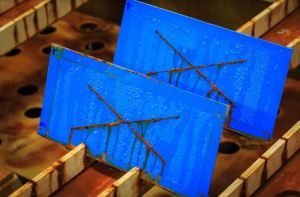
Steel and ceramic material coupons compared after identical corrosion exposure test

Predictive Model of Carbon-Based Materials Erosion by Atomic Oxygen

What Is Atomic Oxygen Erosion? Atomic oxygen (AO) erosion is the degradation of carbon-based and organic materials caused by exposure...

Read Article
Where Quality Meets Trust
New Benchmarks in Quality Standards

Empowering you to recognize and address inherent risks within your operations, supply chains, and quality management systems

Advanced Testing Services

Assessing the alignment of your products and services with, and their surpassing of, quality, safety, sustainability, and performance benchmarks.

100% Inspection Guarantee

Confirming the specifications, worth, and safety of your raw materials, products, and assets.

Certification
Certification

Officially verifying that your products and services adhere to both established external and internal standards.

Meet our Team

Best Industry Experts to Help You
Pradyumna Gupta
Expert in optics, materials engineering, and physical sciences. Ph.D. in Materials Science with specialization in glasses and thin films for electronic and photonic applications.

Pradyumna Gupta PhD, MBA

Vinay Vidyarthi
Seasoned engineering leader specializing in materials engineering with a focused background in semiconductor capital equipment hardware and process development. Subject matter expertise across multiple disciplines, including thin film fabrication by PVD, CVD, ALD, and plasma etching processes.

Vinay Vidyarthi  PhD

Dhairya Srivastava
Multidisciplinary experience in semiconductor processes, capital equipment design, factory automation, and software and controls development. M.S. in Mechanical Engineering, specializing in robotics and automation.

Dhairya Srivastava MBA

Rana Pratap
Experience in hardware design, cost optimization, and high-volume manufacturing operations. Ph.D. in Electrical and Computer Engineering with a minor in Industrial Engineering.

Rana Pratap PhD

Gautam Kumar
Expert in computational modeling, data sciences, and neural networks. Gautam holds a Ph.D. in Chemical Engineering with a specialization in process analysis and control.

Gautam Kumar PhD

Keisha Antoine
Specialization in semiconductor and battery materials, melt processes, and gas/glass chemical interactions. Keisha holds a Ph.D. in Materials Science and Engineering.

Keisha Antoine PhD

Animangsu Ghatak
Expert in mechanics of soft materials, adhesion, multiphase flow through micro and nanochannels, membrane-less fuel cell. He holds a Ph.D. in Chemical Engineering.

Animangsu Ghatak PhD

Sabyasachi Roy
Experience in processing of oxide ceramics, fuel cell, and other specialty materials. Sabyasachi earned his Master's in Materials Science with a specialization in Ceramic Processing Technologies.

Sabyasachi Roy  

Srinivas Mettu
Expert in a variety of fields, including thin film deposition, coating, material characterization, surface engineering, surface modification, and rheology. Ph.D. in Chemical Engineering.

Srinivas Mettu PhD

Shantanu Behera
Experience in batteries, semiconductors, thin-films, advanced ceramics using X-Ray spectroscopy, electron microscopy, thermal and optical methods. Ph.D. in Materials Science, specialization in Nanomaterials.

Shantanu Behera PhD

Show All Experts

Talk to Our Experts Today!

Submit your contact info and we’ll get back to you within 24 hours

    Home / Material Testing Service
    ×

    Talk to an Expert

      Connect Instantly

      (888) 878-3090
      Ensure Quality with the Widest Network of Accredited Labs
      • ddd
        Quick Turnaround and Hasslefree process
      • ddd
        Confidentiality Guarantee
      • ddd
        Free, No-obligation Consultation
      • ddd
        100% Customer Satisfaction

        ddd

        Start Material Testing