
ASTM D1003 Haze & Luminous Transmittance Testing for Transparent Plastics
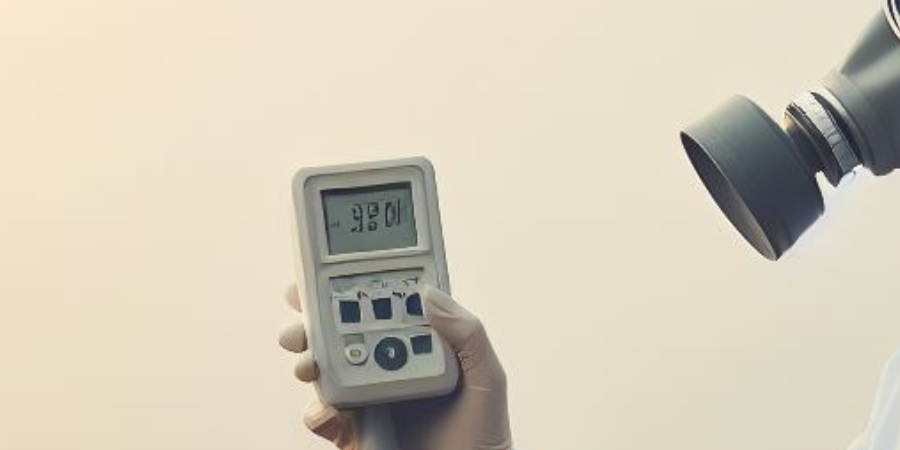
ASTM D1003 test method is used for determination of Haze and Luminous Transmittance of Transparent Plastics. When viewing objects through a film or sheet of a material, light that is scattered when it passes through the material can create a hazy or smoky field. Haze is the property of partial clarity in plastics; clearer is the plastic, lower is its haze value, better is its surface appearance. A spectrophotometer may be used to measure haze, even though hazemeters are the instrument of choice for this task if certain geometric and spectral parameters are met. Read more about ASTM D1003 Haze and Transmittance below.
TRUSTED BY


Precision-driven testing for dimensional accuracy and compliance
- Overview
- Scope, Applications, and Benefits
- Test Process
- Specifications
- Instrumentation
- Results and Deliverables
Haze Testing Overview
Haze isn’t just a weather condition; in materials science, it’s a critical quality metric for plastics, glass, and films. Whether you’re viewing a smartphone screen or a plastic food container, ASTM D1003 is the gold standard for quantifying the “cloudy” or “milky” appearance.
ASTM D1003 is critical to environmental monitoring and product quality control. It helps assess the clarity and transparency of plastics, glass, and film. The ASTM D1003 standard provides a globally recognized method for measuring haze, offering a consistent and reliable way to quantify this optical property.

Scope, Applications, and Benefits
Scope
Haze testing evaluates:
- Percentage haze (light scattering)
- Total luminous transmittance
- Optical clarity and transparency
- Surface and internal light diffusion
Applications
- Transparent and semi-transparent plastic packaging films and sheets
- Automotive glazing, lenses, and interior plastic components
- Optical products such as light diffusers and display panels
- Medical and pharmaceutical plastic containers
- Consumer products requiring high visual clarity and aesthetics
Benefits
- Provides accurate and reproducible measurement of optical clarity
- Enables objective comparison of transparent and translucent materials
- Supports quality control during manufacturing and processing
- Helps evaluate the impact of additives, fillers, and surface treatments
- Ensures compliance with international and customer-specified standards
Haze Testing Test Process
Sample Preparation
Prepare clean, flat, scratch-free specimens of the required size.
1Sample Conditioning
Condition samples at standard laboratory conditions, if required.
2Sample Measurement
Place the specimen in the instrument and measure total transmittance and haze.
3Result Recording
Record and report average haze (%) and transmittance (%) values.
4Haze Testing Technical Specifications
| Parameter | Details |
|---|---|
| Instrument | Haze Meter or Spectrophotometer with Integrating Sphere |
| Light Source | CIE Illuminant C or D65 |
| Sample Type | Transparent and translucent plastic materials |
| Sample Surface | Flat, smooth, clean, and scratch-free |
| Test Conditions | 23 ± 2°C and 50 ± 5% Relative Humidity |
| Result Reporting | Haze (%) and Luminous Transmittance (%) |
Instrumentation Used for Testing
- Haze meter or spectrophotometer with an integrating sphere
- Calibrated haze and transmittance standards
- Stable light source (CIE Illuminant A or C)
- Sample holder or specimen stage
- Data acquisition and analysis software
Results and Deliverables
- Haze value (%) of the test specimen is determined and recorded
- Total luminous transmittance (%) is measured and reported
- Lower haze values indicate higher optical clarity
- Higher haze values indicate increased light scattering
- Results are used to assess material transparency and visual quality
- Measured values are compared against the specification or acceptance criteria
Frequently Asked Questions
Haze refers to the scattering of light as it passes through a transparent material, causing a cloudy or milky appearance. It directly affects visual clarity and is an important parameter in optical and packaging applications.
ASTM D1003 measures haze and total luminous transmittance of transparent materials. It quantifies how much light is scattered and how much passes directly through, providing a complete assessment of optical performance.
Haze testing ensures materials meet clarity requirements for applications like packaging and optics. It helps maintain product appearance, improves user experience, and ensures consistency in manufacturing.
Materials such as plastic films, sheets, glass substitutes, and transparent polymers require haze testing, especially in industries where visual clarity and light transmission are critical.
High haze reduces transparency and visual clarity, which can negatively impact product appearance and functionality. Controlling haze ensures better aesthetics and optimal performance in light-sensitive applications.
Why Choose Infinita Lab
for Electron Energy Loss
Spectroscopy (EELS)?
At the core of this breadth is our network of 2,000+ accredited labs in the USA, offering access to over 10,000 test types. From advanced metrology (SEM, TEM, RBS, XPS) to mechanical, dielectric, environmental, and standardized ASTM/ISO testing, we give clients unmatched flexibility, specialization, and scale. You are not limited by geography, facility, or methodology – Infinita connects you to the right testing, every time.

Looking for a trusted partner for Electron Energy Loss Spectroscopy (EELS) Testing?
Send query us at hello@infinitlab.com or call us at (888) 878-3090 to learn more about our services and how we can support you.




Request a Quote
Submit your material details and receive testing procedures, pricing, and turnaround time within 24 hours.
 Quick Turnaround and Hasslefree process
 Confidentiality Guarantee
 Free, No-obligation Consultation
 100% Customer Satisfaction
