
ASTM E407 Microetching Testing Practice for Metals & Alloys
ASTM E407 gives information regarding the standard practice of microetching of various metals and alloys including rare earth metals and their alloys for which information is available.
TRUSTED BY


- Overview
- Scope, Applications, and Benefits
- Test Process
- Specifications
- Instrumentation
- Results and Deliverables
ASTM E407 Microetching Overview
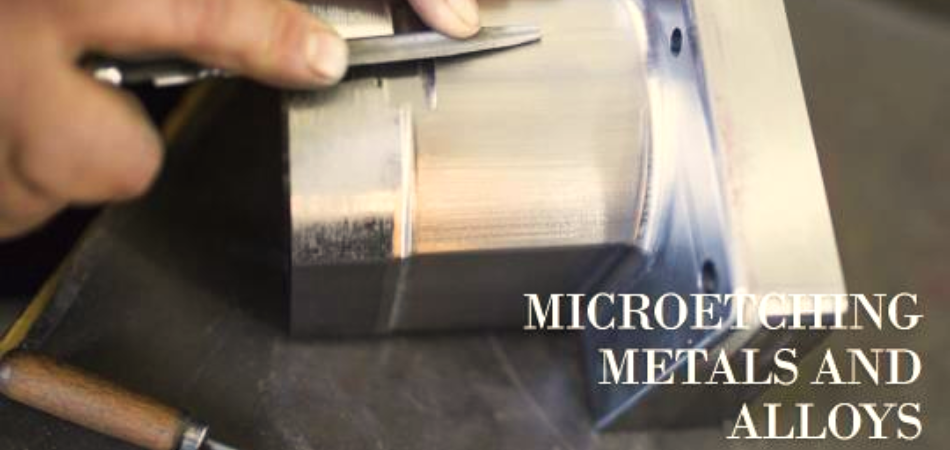
ASTM E407 describes a standard practice for microetching metals and alloys to reveal their microstructure under microscopic examination. Microetching is used to identify grain structure, phases, inclusions, and other fine features not visible to the naked eye.
This method involves applying chemical or electrolytic etchants to the polished surface of a specimen, enabling detailed metallurgical analysis. It is widely used in material characterization, failure analysis, and quality control.

Scope, Applications, and Benefits
Scope
ASTM E407 outlines procedures for microetching metallic specimens for microscopic examination. It evaluates:
- Grain structure and size
- Phase distribution
- Inclusions and precipitates
- Microstructural features and defects
Applications
- Metallurgical analysis
- Failure investigation
- Heat treatment evaluation
- Quality control in manufacturing
- Research and development
Benefits
- Reveals detailed microstructure
- Enables accurate material characterization
- Supports failure analysis
- Enhances quality assurance
- Provides insight into processing effects
ASTM E407 Microetching Test Process
Sample Preparation
Specimen is sectioned, mounted, ground, and polished to a mirror finish.
1Etchant Selection
Appropriate chemical or electrolytic etchant is selected based on material type.
2Etching Process
The etchant is applied for a controlled time to reveal microstructural features.
3Microscopic Examination
The etched specimen is examined under a microscope and documented.
4ASTM E407 Microetching Technical Specifications
| Parameter | Details |
|---|---|
| Applicable Materials | Metals and alloys (steel, aluminum, copper, etc.) |
| Sample Type | Polished metallographic specimens |
| Etchants Used | Acid-based or reagent-specific etchants depending on material |
| Evaluation Method | Optical microscopy or higher magnification techniques |
| Measured Outputs | Grain size, phase distribution, inclusions |
Instrumentation Used for Testing
- Sectioning and mounting equipment
- Grinding and polishing machines
- Chemical or electrolytic etchants
- Optical microscope
- Image analysis software
- Safety equipment (gloves, fume hood)
Results and Deliverables
- Microstructure images
- Grain and phase analysis
- Identification of inclusions and defects
- Material characterization report
- Compliance reports
Partnering with Infinita Lab for Optimal Results
Infinita Lab addresses the most frustrating pain points in the ASTM E407 testing process: complexity, coordination, and confidentiality. Our platform is built for secure, simplified support, allowing engineering and R&D teams to focus on what matters most: innovation. From kickoff to final report, we orchestrate every detail—fast, seamlessly, and behind the scenes.
Looking for a trusted partner to achieve your research goals? Schedule a meeting with us, send us a request, or call us at (888) 878-3090 to learn more about our services and how we can support you. Request a Quote
Frequently Asked Questions
It reveals and evaluates the microstructure of metals and alloys by using etching techniques, allowing detailed analysis of grain structure, phases, and defects under a microscope for material characterization and quality control.
Microetching helps understand material properties by revealing internal structures, enabling engineers to assess quality, detect defects, and evaluate processing effects such as heat treatment and alloy composition.
A wide range of metals and alloys including steels, aluminum, copper, and superalloys can be analyzed using ASTM E407 for microstructural evaluation.
A polished specimen is etched using suitable chemicals, then examined under a microscope to observe and analyze microstructural features such as grains and phases.
Metallurgical, aerospace, automotive, manufacturing, and research industries use ASTM E407 for material analysis, quality control, and failure investigation of metallic components.




Request a Quote
Submit your material details and receive testing procedures, pricing, and turnaround time within 24 hours.
 Quick Turnaround and Hasslefree process
 Confidentiality Guarantee
 Free, No-obligation Consultation
 100% Customer Satisfaction
