Explore more on the subject of component failure analysis and the key steps involved in component failure analysis



Component failure analysis is a methodical process for determining the primary reason why different mechanical, electrical, or electronic components fail. To pinpoint the causes of the failure, such as material flaws, manufacturing errors, stress-related problems, environmental effects, or improper usage, meticulous inspection, testing, and data analysis are required. The analysis’s learnings help to enhance the performance, reliability, and design of components.
Component failure analysis is a critical tool for understanding the reasons behind failures in various mechanical, electrical, and electronic components. By identifying the root cause, engineers can implement targeted solutions to prevent future failures, enhance product performance, and ensure safety. This process is essential in industries such as aerospace, automotive, manufacturing, electronics, and more, where the reliability and longevity of components are paramount.
Initial Inspection and Documentation: The process begins with a thorough examination of the failed component. Physical inspection, photographs, and documentation of the failure site, fracture patterns, and surrounding conditions provide essential information for the analysis.
Background Information Gathering: Understanding the operating conditions, load factors, material specifications, and manufacturing processes of the failed component is crucial. This information helps narrow down potential failure causes.
Non-Destructive Testing (NDT): Non-destructive testing methods, such as X-ray, ultrasound, magnetic particle testing, and dye penetrant testing, are used to identify internal defects and flaws without further damaging the component.
Destructive Testing (DT): In cases where non-destructive methods are inconclusive, a controlled destructive testing approach is used to examine the internal structure and material properties of the failed component.
Microscopic Analysis: Microscopic examination using optical and electron microscopy allows engineers to study the fracture surfaces and identify features like crack propagation, inclusion, or corrosion.
Chemical Analysis: Chemical analysis techniques, such as spectroscopy, help determine the elemental composition of the component and detect impurities or anomalies.
Mechanical Testing: Mechanical tests, including hardness testing, tensile testing, and impact testing, evaluate the mechanical properties of the component and identify deviations from expected performance.
Stress Analysis: Finite element analysis (FEA) and stress analysis assist in determining whether the component experienced excessive loads or was subjected to unforeseen stress concentrations.
Environmental and Service Condition Assessment: Evaluating the component’s exposure to environmental factors, temperature variations, and service conditions helps identify potential sources of degradation.
Root Cause Determination: Integrating all findings and data points, engineers deduce the root cause of failure, which may include material defects, manufacturing errors, overloading, fatigue, corrosion, or other contributing factors.
Component failure analysis is an indispensable tool for understanding the underlying causes of failures in various industries. By employing a combination of testing methods, microscopic examination, and stress analysis, engineers can pinpoint the root cause and take corrective actions to prevent future occurrences. The insights gained from failure analysis pave the way for improved product design, manufacturing processes, and quality control, ultimately leading to enhanced reliability and safety of components in diverse applications. As technology advances and industries continue to push the boundaries of innovation, failure analysis will remain a cornerstone in ensuring the longevity and performance of critical components.
Video 01: Component Failure Analysis | 8 Steps Help Determine “Why”
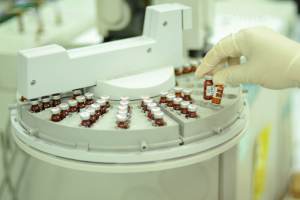
Liquid Chromatography-Mass Spectroscopy Liquid Chromatography-Mass Spectroscopy (LC-MS) is an analytical technique that allows the separation, identification, and quantification of the...
Read Article ➙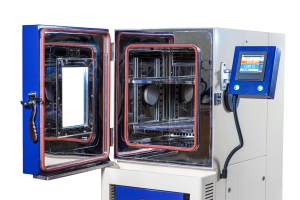
Highly Accelerated Stress Test - HAST Testing Services A highly accelerated stress test (HAST) is an essential part of environmental...
Read Article ➙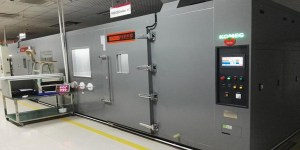
Introduction Accelerated aging in product testing is a methodology that simulates the long-term effects of environmental factors on a product...
Read Article ➙In-depth examination of genuine material testing solutions

EELS analysis of gate and channel is performed on fin field-effect transistors (finFETs). Scanning transmission electron...
Read Case Study
Introduction PVC is the polymer primarily used to make pipes for plumbing, drainage, and electrical conduits....
Read Case Study
Nano-scale surface roughness is a critical parameter in fabricated thin-films that are used in optics, solar...
Read Case StudySubmit your contact info and we’ll get back to you within 24 hours


