
PETG or Polyethylene terephthalate glycol, is widely used in industry. PET is a type of plastic used extensively in food and drink packaging. Know more about PETG.


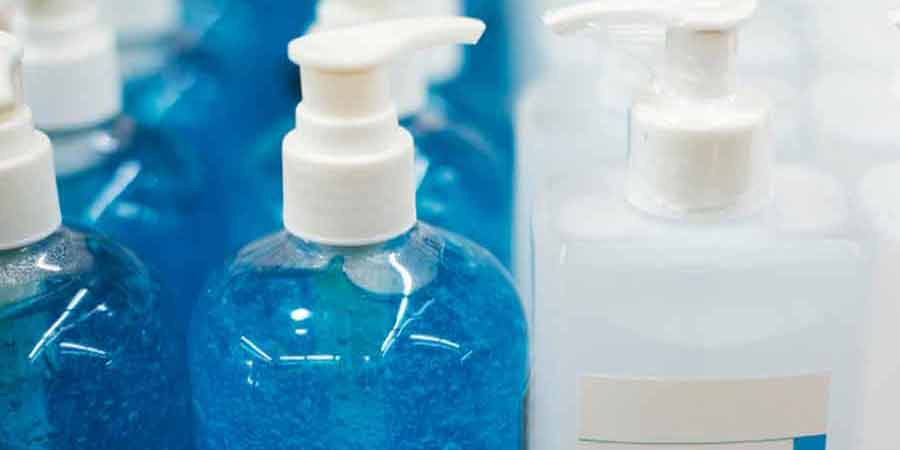
Thermoplastic polyester PETG, or Polyethylene terephthalate glycol, is widely used in industry. PET is a type of plastic used extensively in food and drink packaging. The G denotes glycol, which increases the compound’s toughness and strength, as well as its resistance to impact and high temperatures. PETG filament is growing in popularity among 3D printing enthusiasts for a number of reasons, despite PLA’s apparent market dominance.
To begin, PETG is ideally suited for industrial applications due to its strength, durability, and adaptability. PETG’s great impact resistance and heat resistance also make it an ideal filament for use in things like medical containers and food storage containers. For good reason, PETG has become a popular 3D printing filament option because of its low price, high recycling rate, and high water resistance.
Technically speaking, PETG has a melting point of 260 degrees Celsius, a glass transition temperature of 85 degrees Celsius, a nozzle temperature of 210 to 250 degrees Celsius, and a heated bed temperature of 80 to 100 degrees Celsius. As a result, we have a product that is robust but adaptable, and which can tolerate a wide range of environmental stresses. Because of its low shrinkage rate, strong layer adhesion, and lack of odour, PETG is swiftly becoming a favourite among 3D printers. It may take some time to find the optimal settings for your printer, but the results will be well worth the effort.
The advantages of PETG filament justify its higher average price compared to cheaper alternatives like generic PLA or ABS. To reiterate, it can be recycled in its whole. Second, it doesn’t give out any unpleasant odours, making it a better choice than ABS, which is widely derided for this very reason. The corrosion and crystallization effects are eliminated, and the printing process is simplified in comparison to PET, thanks to the addition of the glycol modification. PETG, in contrast to PLA, is water-resistant, therefore it can withstand harsh outdoor conditions. It is more resistant to heat since it is printed at a higher temperature than PLA.
Pick3Dprinter.com reports that in 2021, the cost of PETG filament will be roughly the same as that of PLA or ABS. A kilogram of PLA or ABS filament costs around $20 on average, while a similar amount of PETG may be purchased for around $15. Customers eager to experiment with a novel 3D printing filament will find this to be extremely welcome news.
PETG is frequently used in the development and manufacture of packaging for food and drink. It’s a great choice because it can withstand a lot of pressure and lasts a long time. In addition to being safe for use in baby food containers and water bottles, PETG does not contain any harmful levels of bisphenol A (BPA). It is easy to see why PETG has become so widely used in the food and beverage industry due to these features and its inherent transparency (which is even greater than PET’s).
PETG, however, is not limited to use in the food industry. It can survive the high temperatures and pressures of a hospital, as well as the chemical and radiation sterilization techniques that are standard practice. It is ideal for pharmaceutical and medical packaging because of its clarity and durability.
If a company wants to make an impression, using PETG in its signage and displays is an excellent idea. The clear plastic is simple to dye, allowing for the creation of vibrant window displays. It’s also utilized to make colourful and varying-sized display stands, such as those used to showcase jewellery.
Machinists and production engineers utilize PETG to make items including protective guards, testing components, and manufacturing tools and aids due to the material’s high resilience to heat and chemicals.
Video 01: PCTG, Polyethylene Terephthalate-Glycol 3D Printing Filament from Essentium
Liquid Chromatography-Mass Spectroscopy Liquid Chromatography-Mass Spectroscopy (LC-MS) is an analytical technique that allows the separation, identification, and quantification of the...
Read Article ➙
Highly Accelerated Stress Test - HAST Testing Services A highly accelerated stress test (HAST) is an essential part of environmental...
Read Article ➙
Introduction Accelerated aging in product testing is a methodology that simulates the long-term effects of environmental factors on a product...
Read Article ➙In-depth examination of genuine material testing solutions

EELS analysis of gate and channel is performed on fin field-effect transistors (finFETs). Scanning transmission electron...
Read Case Study
Introduction PVC is the polymer primarily used to make pipes for plumbing, drainage, and electrical conduits....
Read Case Study
Nano-scale surface roughness is a critical parameter in fabricated thin-films that are used in optics, solar...
Read Case StudySubmit your contact info and we’ll get back to you within 24 hours


