Plastic waste can be converted into usable byproducts through chemical recycling, which can support the circular economy.


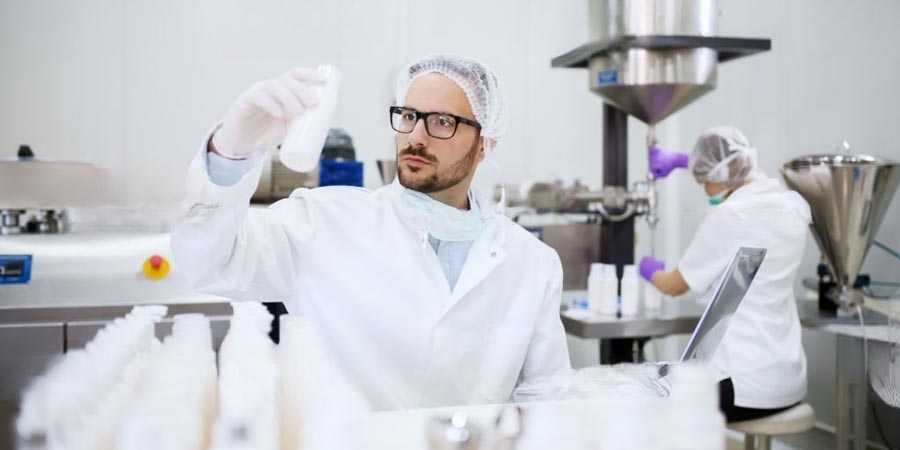
Chemical recycling is a method for repurposing plastic scraps into useful byproducts that can promote the circular economy. Plastics originate from oil or petroleum and are created through a polymerization process, with major polymer substances like PET, HDPE, LDPE, PVC, PP, and PS being common
Although the idea of using plastic may seem backwards in this day of eco-consciousness, the material has many desirable properties. Plastics have had a huge impact on many different industries, but none more so than healthcare, where they are crucial for the protection of both patients and medical staff. Sadly, a great deal of plastic pollutes our ecosystem. What’s the good news? Chemical recycling is a method for repurposing plastic scraps into useful byproducts that can be used to promote the circular economy.
Understanding that plastics originate from oil or petroleum and are created through a polymerization process is crucial to getting a handle on the idea of chemical recycling. This means they have molecular chains that can be joined together to form polymers.
The major polymer substance used to make plastic is used to classify that plastic. Polyethene terephthalate (PET), high-density polyethene (HDPE), low-density polyethene (LDPE), polyvinyl chloride (PVC), polypropylene (PP), and polystyrene (PS) are some of the most common plastics we use every day. These polymers range widely in terms of size, colour, function, and plastic recycling.
Annual global plastic production is 380 million tons. Plastic trash was previously recycled exclusively through mechanical means, which entailed grinding, sorting, washing, melting, and chilling to produce granulated recycled plastic. However, this method can only be used on specific plastics that are made up of a single polymer. It’s simple to recycle common plastics like PET soda bottles and HDPE milk jugs.
However, in reality, many plastic goods are made up of different polymers, have numerous layers of plastic, or are soiled with food and dirt. This makes mechanical recycling of them impractical or prohibitively expensive. Instead, they are either burned or buried. Because of this, only around 15% of plastics in Europe and 9% in the US are recycled. Furthermore, most plastics that are recycled end up being downcycled, meaning they are transformed into lower-quality goods.
New avenues of exploration are made possible by the chemical recycling of plastic trash.
What’s the deal? Plastic trash can be chemically recycled into its molecular components. The chemical makeup of polymers in plastic is altered by this process, allowing for their recovery and subsequent use as a petrochemical feedstock or in the production of new polymers.
Chemical recycling can refer to a number of different methods and technologies. The technologies can be divided into three groups according to where their output fits into the plastics supply chain:
Basic chemicals (such as hydrocarbons or syngas) are the result of feedstock recycling, and these must undergo additional processing to create polymers. Two methods exist for accomplishing this goal:
In contrast to mechanical recycling, chemical recycling can be used for polluted and mixed-polymer waste streams. However, most chemical recycling methods have certain limitations. ‘Condensation’ polymers like polyethene terephthalate (PET) and polyamides are the only ones that can undergo chemical depolymerization. However, pyrolysis breaks down ‘addition’ polymers like polyethene (PP), polypropylene (PE), and polyvinyl chloride (PVC), which account for the vast bulk of plastic trash.
Interesting fact: PET can’t be recycled in a pyrolysis plant since it includes oxygen. Mechanical recycling, which typically focuses on PET bottles, is complemented by pyrolysis in
Chemical recycling is a process that breaks down plastic trash into usable chemicals and plastics. This recycled plastic is ideal for applications where quality matters, including in food packaging.
Plastics that have been chemically recycled can be used as feedstock for making new plastics, reducing the demand for newly mined fossil fuels.
The need for recycled plastics has increased alongside the widespread usage of plastics. Coca-Cola, PepsiCo, and Unilever are just a few examples of consumer goods firms that have made significant pledges to increase the amount of recycled content in their product packaging. Straws, cotton swabs, plastic bags, and plastic cutlery are all examples of single-use plastics that countries are trying to outlaw while simultaneously mandating more recycled content. The petrochemical industry needs recycled plastics to keep up with the surging demand in the market.
As was previously discussed, mechanical recycling is insufficient to meet the market need for significant quantities of recycled plastics. That’s why chemical recycling has so much potential. Despite the industry’s early stage of development, it is expanding rapidly, with six commercial plants now in service and several more scheduled for commissioning in the coming years.
Potential revenue prospects of USD 120 billion in the United States and Canada alone are estimated by the Closed Loop report for technologies that filter, degrade, or transform waste plastics into like-new materials.
Video 01: Chemical recycling explained: an overview
Liquid Chromatography-Mass Spectroscopy Liquid Chromatography-Mass Spectroscopy (LC-MS) is an analytical technique that allows the separation, identification, and quantification of the...
Read Article ➙
Highly Accelerated Stress Test - HAST Testing Services A highly accelerated stress test (HAST) is an essential part of environmental...
Read Article ➙
Introduction Accelerated aging in product testing is a methodology that simulates the long-term effects of environmental factors on a product...
Read Article ➙In-depth examination of genuine material testing solutions

EELS analysis of gate and channel is performed on fin field-effect transistors (finFETs). Scanning transmission electron...
Read Case Study
Introduction PVC is the polymer primarily used to make pipes for plumbing, drainage, and electrical conduits....
Read Case Study
Nano-scale surface roughness is a critical parameter in fabricated thin-films that are used in optics, solar...
Read Case StudySubmit your contact info and we’ll get back to you within 24 hours


