


The reality we inhabit is highly malleable. Almost everything we consume, use, or possess is packaged in or made of plastic. There are some plastics that are bad for our health or the environment because they contain compounds like bisphenol A (BPA).
The plastic is known as polypropylene. Polypropylene, one of the commercial plastics available today, is often regarded as one of the safest options. Polypropylene is safe for use in contact with food and is therefore commonly found in containers designed to store dairy goods like yogurt, cream cheese, and butter. It can withstand high temperatures, making it ideal for the packaging of microwaveable foods. Indoor and outdoor carpets are often woven with polypropylene fibers, and the material is also utilized to make several surgical instruments and implants.
Indoor and outdoor carpets are often woven with polypropylene fibers, and the material is also utilized to make several surgical instruments and implants.
The Environmental Protection Agency (EPA) recommends polypropylene, a plastic made from petroleum, above other polymers because of its low toxicity. Fabrics made from it are less combustible than those made from wool, and it does not cause cancer in humans. It should be noted, however, that more recent studies suggest some polypropylene containers may be harmful. A wide variety of plastics used in various consumer goods were analyzed in a 2019 study. They discovered that the production procedure greatly affected the degree to which a certain plastic was harmful.
Researchers observed that some polypropylene products triggered a toxic or stress response in cells and had an effect on androgen hormones. Since plastics are chemically complex and the impacts of various products may vary, more study is warranted. The findings of this study have not led the FDA or the EPA to alter their previous guidelines regarding the usage of polypropylene.
Polycarbonate plastics are made with a chemical called bisphenol A (BPA). It’s also an ingredient in epoxy resins, which are used to line the inside of food cans and water pipes.
It’s easy for BPA to seep into our water and food supply chains. A CDC investigation using a Trusted Source found that BPA amounts were present in greater than 93% of the urine samples tested.
Although the Food and Drug Administration has determined that low levels of BPA exposure are safe for humans, some environmental and health experts are worried that prolonged exposure may cause concerns with brain development, immunological function, learning capacities, reproductive diseases, and other health problems.
The proliferation of BPA-free plastics is a direct response to the public’s rising alarm over the chemical. One plastic that does not contain BPA is polypropylene.
It would be exceedingly difficult to rid the world of plastic because it is so pervasive. Here are some suggestions for cutting back on plastic and making its safe use easier:
You may find polypropylene everywhere, from rugs to sour cream tubs. It’s often regarded as being among the safest plastics available. The Food and Drug Administration (FDA) has cleared polypropylene for use in food storage containers since it does not cause cancer. The triangle and the number 5 on the bottom of a polypropylene container indicate that it is made from that material. If you’re worried about being exposed to chemicals that could seep out of a polypropylene packaging, there are measures you can take to reduce your risk. Before reheating food, transfer it to a glass or metal container, and avoid reusing disposable packaging.
Video 01: Food Plastics = Estrogens in Your Body
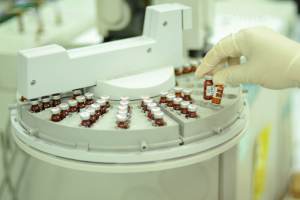
Liquid Chromatography-Mass Spectroscopy Liquid Chromatography-Mass Spectroscopy (LC-MS) is an analytical technique that allows the separation, identification, and quantification of the...
Read Article ➙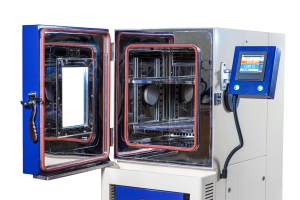
Highly Accelerated Stress Test - HAST Testing Services A highly accelerated stress test (HAST) is an essential part of environmental...
Read Article ➙
Introduction Accelerated aging in product testing is a methodology that simulates the long-term effects of environmental factors on a product...
Read Article ➙In-depth examination of genuine material testing solutions

EELS analysis of gate and channel is performed on fin field-effect transistors (finFETs). Scanning transmission electron...
Read Case Study
Introduction PVC is the polymer primarily used to make pipes for plumbing, drainage, and electrical conduits....
Read Case Study
Nano-scale surface roughness is a critical parameter in fabricated thin-films that are used in optics, solar...
Read Case StudySubmit your contact info and we’ll get back to you within 24 hours


