Soil corrosivity testing refers to the determination of corrosion of soil accelerated by pH, moisture content, temperature, soil resistivity, and by the presence of bacteria, chlorides, and sulfates. The soil corrosivity testing facilitates the analysis of existing soil conditions to build up a new infrastructure.


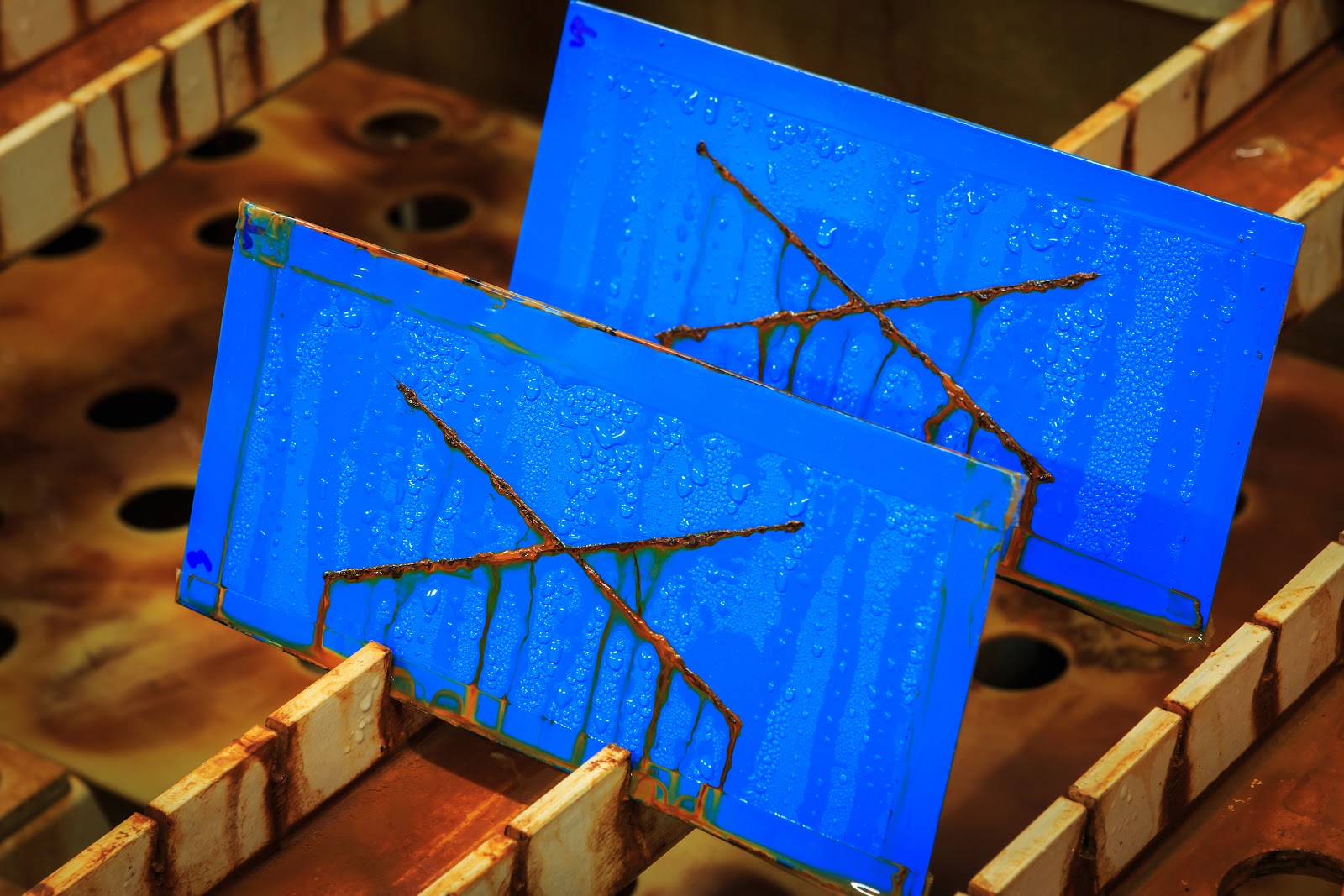
Soil corrosivity testing helps investigate the quality of existing soil conditions. Measuring soil resistivity is the first step in assessing the soil to prevent corrosion. This testing can help you plan and design your project after analyzing the results of the soil’s corrosivity. The samples collected from your desired area are tested to determine the pH, soil resistivity, moisture content, and presence of bacteria and other ions that can trigger the corrosion process. The acidic pH of soil causes metal corrosion drastically, while an increase in soil moisture content decreases the soil resistivity, which resists electrical flow. It helps industries analyze soil quality before building any infrastructure. It helps explore underground assets and infrastructures’ soil resistivity and corrosion rate.
Video 01: Soil Corrosion

Liquid Chromatography-Mass Spectroscopy Liquid Chromatography-Mass Spectroscopy (LC-MS) is an analytical technique that allows the separation, identification, and quantification of the...
Read Article ➙
Highly Accelerated Stress Test - HAST Testing Services A highly accelerated stress test (HAST) is an essential part of environmental...
Read Article ➙
Introduction Accelerated aging in product testing is a methodology that simulates the long-term effects of environmental factors on a product...
Read Article ➙In-depth examination of genuine material testing solutions

EELS analysis of gate and channel is performed on fin field-effect transistors (finFETs). Scanning transmission electron...
Read Case Study
Introduction PVC is the polymer primarily used to make pipes for plumbing, drainage, and electrical conduits....
Read Case Study
Nano-scale surface roughness is a critical parameter in fabricated thin-films that are used in optics, solar...
Read Case StudySubmit your contact info and we’ll get back to you within 24 hours


