Top 20 Coating Testing Methods

Written by Dr. Bhargav Raval | Updated: September 10, 2025

Top 20 Coating Testing Methods

While creating, applying, and maintaining a protective coating, the integrity of the coating must be guaranteed. There are numerous tests that provide a wide range of measurements for the durability and other characteristics of coatings. The top 20 coating testing methods are as given below:

  • Adhesion Testing: This method is used to evaluate the bonding strength between the coating and the substrate.
  • Abrasion Testing: This method is used to evaluate the resistance of the coating to abrasion and wear.
  • Impact Testing: This method is used to evaluate the resistance of the coating to impact and deformation.
  • Scratch Testing: This method is used to evaluate the resistance of the coating to scratch and gouge.
  • Hardness Testing: This method is used to evaluate the hardness and resistance of the coating to indentation.

Video 01: Pull-off adhesion test

https://youtu.be/mRR8beOkV8w
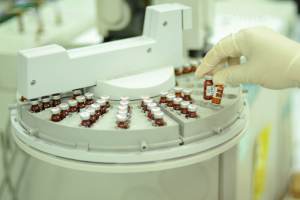
  • Chemical Resistance Testing: This method is used to evaluate the resistance of the coating to chemical exposure and corrosion.
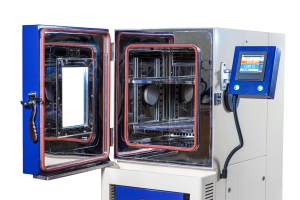
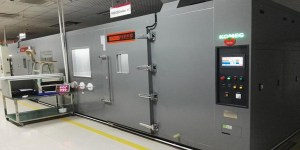
  • Weathering Testing: This method is used to evaluate the resistance of the coating to weathering factors such as sunlight, heat, and moisture.
  • Salt Spray Testing: This method is used to evaluate the corrosion resistance of the coating to salt spray exposure.
  • Thermal Cycling Testing: This method is used to evaluate the resistance of the coating to thermal cycling, which can cause material degradation and performance degradation.
  • Flexibility Testing: This method is used to evaluate the flexibility and elasticity of the coating under different bending and deformation conditions.
  • Gloss and Color Measurement: This method is used to evaluate the color and gloss of the coating and ensure consistency in the manufacturing process.
  • Surface Roughness Testing: This method is used to evaluate the surface roughness of the coating and ensure it meets the required specifications.
  • Peel Testing: This method is used to evaluate the resistance of the coating to peel and delamination.
  • Porosity Testing: This method is used to evaluate the porosity of the coating and ensure it does not contain any defects or pores that can cause corrosion or damage.
  • Solvent Resistance Testing: This method is used to evaluate the resistance of the coating to solvents and chemicals.
  • Water Resistance Testing: This method is used to evaluate the resistance of the coating to water and moisture.
  • Surface Energy Testing: This method is used to evaluate the surface energy of the coating and ensure it adheres properly to the substrate.
  • Microscopic Analysis: This method is used to analyze the surface and cross-section of the coating and identify any defects or anomalies.
  • Salt Fog Testing: This method is used to evaluate the corrosion resistance of the coating to salt fog exposure.
  • Fluorescent Penetrant Inspection: This method is used to detect cracks, pores, and other defects in the coating by applying a fluorescent dye and analyzing it under UV light.

Case Studies

In-depth examination of genuine material testing solutions

Dopant and ultra-low concentration elemental analysis using Scanning…

banner

Dopant and ultra-low concentration elemental analysis using Scanning…

EELS analysis of gate and channel is performed on fin field-effect transistors (finFETs). Scanning transmission electron...

Read Case Study

Analysis of degradation of PVC pipe using Fourier…

Fourier Transform Infrared Spectroscopy (FTIR)

Analysis of degradation of PVC pipe using Fourier…

Introduction PVC is the polymer primarily used to make pipes for plumbing, drainage, and electrical conduits....

Read Case Study

Nano-scale roughness measurement of Si-wafers by Atomic Force…

banner

Nano-scale roughness measurement of Si-wafers by Atomic Force…

Nano-scale surface roughness is a critical parameter in fabricated thin-films that are used in optics, solar...

Read Case Study

Talk to Our Experts Today!

Submit your contact info and we’ll get back to you within 24 hours

    Discover more from Infinita Lab

    Subscribe now to keep reading and get access to the full archive.

    Continue reading

    ×

    Talk to an Expert

      Connect Instantly

      (888) 878-3090
      Ensure Quality with the Widest Network of Accredited Labs
      • ddd
        Quick Turnaround and Hasslefree process
      • ddd
        Confidentiality Guarantee
      • ddd
        Free, No-obligation Consultation
      • ddd
        100% Customer Satisfaction

        ddd

        Start Material Testing