
MIL-STD-202 is a military standard that outlines test methods and procedures for electronic components to determine their reliability under various environmental and mechanical stresses. This standard covers a wide range of tests, including mechanical shock, vibration, temperature cycling, and humidity exposure, among others. The purpose of these tests is to ensure that electronic components can withstand harsh environments and maintain their electrical and mechanical properties over time.


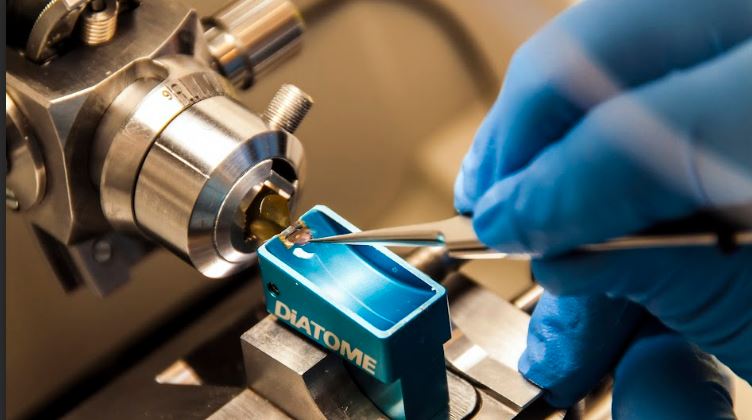
MIL-STD-202
A legal requirement that regulates the testing procedure for all system parts and products with printed circuit boards is MIL-STD-202. The MIL-STD-202 test, one of the most important legal requirements for defense contractors today, lays out precise instructions to make sure your product is prepared for the market.
Services for MIL-STD-202 Testing:
Testing by MIL-STD-202 is a big part of what we perform at Infinita Labs. We take great pleasure in being able to comply with all MIL-STD-202 test procedures, including:
Read more: MIL-STD-464 Testing
MIL-STD-202 Testing Procedures
Basic environmental tests and other techniques for testing electrical component parts and electronic parts are established by MIL-STD-202. Our MIL-STD-202 testing services assess a person’s resilience to the weather and situations that can affect military operations, physical tests, and electrical tests.
Video 01: MIL-STD-202-203 Random Drop Test Machine 1
Other Useful Resources
Scanning electron microscope testing
Differential scanning calorimetry testing
High performance liquid chromatography testing
Semi conductor laboratory
Liquid Chromatography-Mass Spectroscopy Liquid Chromatography-Mass Spectroscopy (LC-MS) is an analytical technique that allows the separation, identification, and quantification of the...
Read Article ➙
Highly Accelerated Stress Test - HAST Testing Services A highly accelerated stress test (HAST) is an essential part of environmental...
Read Article ➙
Introduction Accelerated aging in product testing is a methodology that simulates the long-term effects of environmental factors on a product...
Read Article ➙In-depth examination of genuine material testing solutions

EELS analysis of gate and channel is performed on fin field-effect transistors (finFETs). Scanning transmission electron...
Read Case Study
Introduction PVC is the polymer primarily used to make pipes for plumbing, drainage, and electrical conduits....
Read Case Study
Nano-scale surface roughness is a critical parameter in fabricated thin-films that are used in optics, solar...
Read Case StudySubmit your contact info and we’ll get back to you within 24 hours


