


A semiconductor test is a process for evaluating integrated circuits and semiconductor devices against established performance and quality standards. This involves functional, parametric, and reliability tests. Functional testing checks the operational correctness of the device, while parametric testing measures electrical parameters. Reliability testing determines durability under stress conditions. Advanced techniques, such as ATE and wafer-level testing, enhance accuracy and efficiency. Therefore, testing of semiconductors in EVs is conducted to detect faults and guarantee reliable products and high manufacturing standards. This supports the overall quality and performance of electronic devices.

What is the Semiconductor Test?
A semiconductor test is a process for evaluating integrated circuits and semiconductor devices against established performance and quality standards. This involves functional, parametric, and reliability tests. Functional testing checks the operational correctness of the device, while parametric testing measures electrical parameters. Reliability testing determines durability under stress conditions. Advanced techniques, such as ATE and wafer-level testing, enhance accuracy and efficiency. Therefore, testing of semiconductors in EVs is conducted to detect faults and guarantee reliable products and high manufacturing standards. This supports the overall quality and performance of electronic devices.
A semiconductor test is essential to ensure that the electronic devices perform as expected and are reliable. The process identifies and rectifies the flaws in the product at all levels, from discrete components to fully assembled ones. Functional testing checks the functionality of each semiconductor device against the design specifications. By simulating the actual operating conditions that the devices will encounter during field operation, functional tests can catch failures that may occur in the field.
Electrical properties like voltage, current, and resistance are measured using parametric tests to ensure they fall within acceptable bounds.
The test points out manufacturing inconsistencies or variations affecting the device’s performance. Reliability tests, such as thermal, mechanical, and environmental stress tests, indicate whether a device can survive long-term use and other challenging conditions. All this testing is essential if the devices are to be taken seriously in fields of application such as aerospace, automotive, and medical devices, where failure has serious repercussions.
Automated test equipment and wafer-level technologies make semiconductor testing much faster and more efficient. The system can execute several tests simultaneously with ATE, reducing testing time and increasing throughput. The wafer-level test allows for very early detection, thus increasing yields and reducing costs.
Read more: Semiconductor Failure Analysis Techniques
Ensuring Performance and Reliability
The primary purpose of semiconductor testing is to ensure that devices work according to their specifications. These include voltage, current, speed, and functionality operational parameters. This ensures that the devices’ performance meets the set standard of the required application in each field, thus building trust in their reliability and efficiency.
Detecting Manufacturing Defects
Manufacturing flaws can occur at any point in the semiconductor fabrication process. Testing helps detect these defects early, preventing faulty devices from reaching the market. This saves costs associated with recalls and repairs and maintains the manufacturer’s reputation for quality.
Compliance with Industry Standards
Semiconductor devices must adhere to specific guidelines in the automotive and aerospace industries. Testing helps ensure that the devices produced conform to these high standards, guaranteeing their safety.
Enhancing Product Development
One of the most critical aspects of testing is giving feedback on the test samples about the new design and material of the products under consideration. Engineers also use feedback to improve the details of the engineering designs and techniques used in manufacturing semiconductor devices.
Customer Assurance
Regarding semiconductors, testing ensures end-users that the products that they buy will work as required. This brings credibility to the manufacturer’s brand and invariably creates a sense of loyalty from the customers.
Automatic Test Equipment (ATE)
ATE is widely used in semiconductor industries due to its accuracy, flexibility, and reliability. ATE systems can test all aspects of a semiconductor device: functional testing, parametric testing, and reliability testing. These systems are effective high-quantity device control, making them much more suitable for settings that produce large numbers of gadgets.
Probe Stations
Rapid testing stations are used in the wafer testing concept, and engineers and technicians can test single devices on the wafers before dicing and packaging. These stations can make contact with these pads with the help of a microscopic probe to facilitate electrical measurements on the tiny devices.
Wafer Sorters
Test handlers, or wafer sorters, are devices used to handle and organize wafers during tests and replacements. They transport the wafers from one section to the other in the test, which speeds up the tests and minimizes the chances of damaging the wafers or contamination.
Handlers
Handlers are used in semiconductor manufacturing processes to enable the loading and unloading of devices into test sockets. Such plates are helpful, especially when many tests must be performed simultaneously because manually doing it is cumbersome and error-prone.
Burn-in Systems
Burn-in systems expose semiconductor devices to high temperatures and electrical stress for a long. Thus, this procedure speeds up the degradation rate and helps to sort out early-life failure and, subsequently, the reliability of the devices.
Emerging Trends in Semiconductor Testing
The testing of semiconductor devices is moving toward artificial intelligence and machine learning because predictive analysis and defect detection are possible with enhanced test accuracy and efficiency. In line with the growing complexity of semiconductor devices, advanced techniques such as 5G testing and heterogeneous integration testing are becoming new avenues. Furthermore, it is undergoing increased attention toward wafer-level and system-level testing to detect defects earlier in manufacturing to improve yields and cut costs. IoT technology is also being integrated into testing environments, radically changing the real-time ability to collect and monitor data.
Innovations in Test Equipment Technology
Advances in test equipment technologies are now improving accuracy, speed, and cost for semiconductor testing. Non-contact testing methods, new probe technologies, and innovations in automated test systems all raise the power of semiconductor test equipment available for depth and efficiency in testing.
Importance of Comprehensive Testing in the Semiconductor Industry
Comprehensive testing is vital for ensuring the quality and reliability of semiconductor devices. It helps identify defects, ensure compliance with standards, and enhance product development. Reliable testing methods are essential for maintaining the integrity of semiconductor devices in various applications.
Future Trends and Advancements in Semiconductor Testing
The outlook for semiconductor testing is promising, mainly driven by advances in AI, ML, and test equipment technology. This would further enable more comprehensively executed testing techniques for manufacturers to produce better quality and more reliable semiconductor devices.
How Infinita Lab Can Help Businesses Ensure Semiconductor Quality and Reliability?
Infinita Lab assists businesses in determining the quality and reliability of semiconductors in EVs. Comprehensive, advanced testing services that use state-of-the-art technologies and methodologies are extended to provide a complete testing solution. Performance, Reliability, and Compliance Testing are provided to meet the diversified needs of our clients.
Call to Action for Consultation and Testing Services
Infinita Lab provides professional consultation and testing services to businesses looking to improve the quality and reliability of their semiconductor devices. Contact us today, and let us help you with complete testing solutions to make your semiconductors successful.
Infinita Lab is one of the significant providers of semiconductor testing services. It is dedicated to innovation and quality and provides various testing solutions tailored to meet semiconductor industry requirements. We ensure state-of-the-art facilities with an expert team checking devices to meet high performance and reliability standards. Think Infinita Lab for all your semiconductor testing needs.
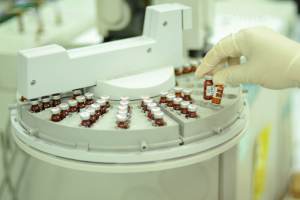
Liquid Chromatography-Mass Spectroscopy Liquid Chromatography-Mass Spectroscopy (LC-MS) is an analytical technique that allows the separation, identification, and quantification of the...
Read Article ➙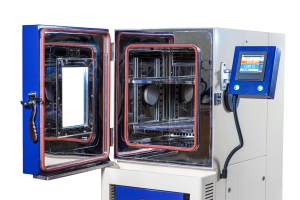
Highly Accelerated Stress Test - HAST Testing Services A highly accelerated stress test (HAST) is an essential part of environmental...
Read Article ➙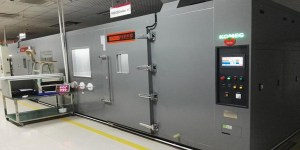
Introduction Accelerated aging in product testing is a methodology that simulates the long-term effects of environmental factors on a product...
Read Article ➙In-depth examination of genuine material testing solutions

EELS analysis of gate and channel is performed on fin field-effect transistors (finFETs). Scanning transmission electron...
Read Case Study
Introduction PVC is the polymer primarily used to make pipes for plumbing, drainage, and electrical conduits....
Read Case Study
Nano-scale surface roughness is a critical parameter in fabricated thin-films that are used in optics, solar...
Read Case StudySubmit your contact info and we’ll get back to you within 24 hours


