Testing for solar radiation determines how sunshine affects various materials and systems. It comprises environmental chamber testing, solar thermal testing, accelerated weathering testing, UV testing, and testing of solar panels. Results help with material selection and product design to ensure dependability and durability when exposed to sunlight.


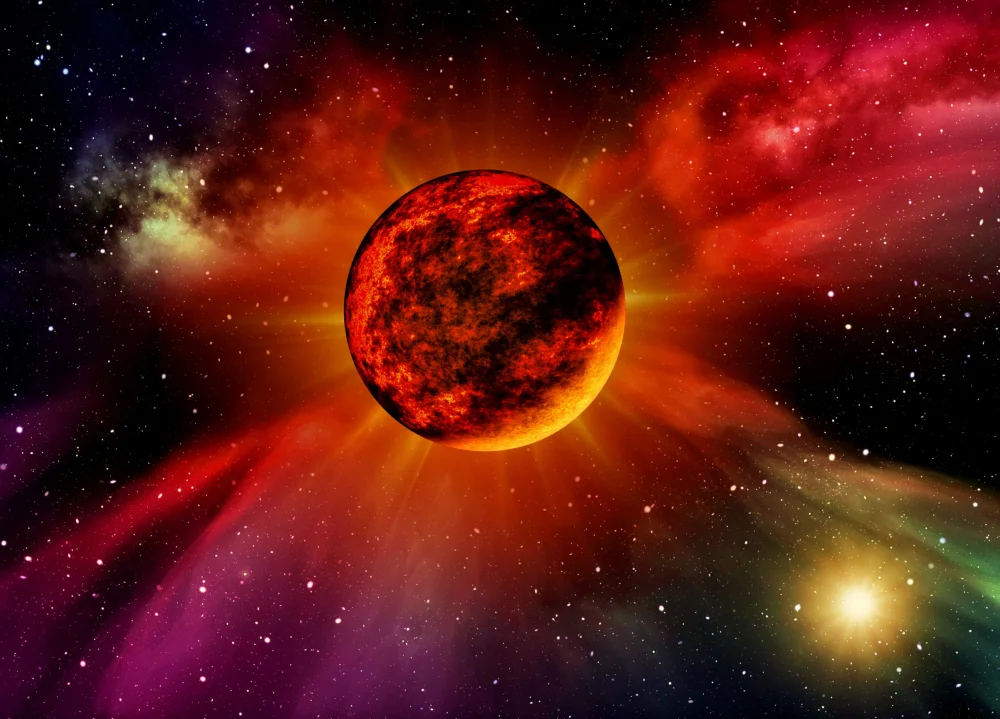
Testing for solar radiation compliance identifies UV exposure’s impacts on the structural and functional integrity of the equipment. For the entire test program, Infinita Lab adopts a consultative approach. We have affordable prices and provide volume discounts. We help with problem-solving when products don’t meet specifications.
Find out why we are one of the compliance test laboratories in the nation with the quickest growth by requesting a quotation. Are you prepared to begin? We are. To learn why so many businesses depend on us to meet their environmental standard testing needs, get in touch with us.
Each test setup’s solar radiation test setup is specially created. For small or big test objects, solar arrays are available. Before the test piece is positioned, arrays are constructed and calibrated. We use any of our several temperature chambers for testing.
Microprocessor-controlled solar arrays can produce more than the 1,200 watts per square meter required by the majority of test criteria. Sunrise and sunset test cycles can be replicated using custom software. Infinita Lab only provides testing for the thermal impacts of solar radiation.
Setups for measuring solar radiation are unique and made to fit the characteristics of the test object. Solar arrays are created and put together as needed. Continuous solar radiation testing with fine-grained intensity control is made possible by microprocessor automation. Any of our environmental chambers can be used for testing, which can be done with small to large test objects. The internal measurements of our drive-in chamber, which can be utilized for solar radiation testing, are 12′ wide by 10′ deep by 9′ tall.
To determine the effects of solar radiation on equipment that may be exposed to sunlight during usage or uncovered storage on the surface of the Earth or in the lower atmosphere, MIL-STD 810 solar radiation testing is conducted. In contrast to the heating effects of high air temperature alone, solar radiation also causes heating because the quantity of heat absorbed or reflected depends on the surface’s color and roughness. Changes in the intensity of solar radiation may also cause components to expand or contract at different rates, in addition to the differential expansion between dissimilar materials, which can result in severe strains and loss of structural integrity.
The following heating-related issues (in the infrared range of the solar spectrum) can be brought on by solar radiation:
The following actinic-related (non-infrared section of the solar spectrum, primarily ultraviolet) issues can be brought on by sun radiation:
One of the climatic testing services we provide is solar radiation testing, and our lab is fully stocked with the appropriate tools. A sun radiation testing facility is called Infinita Lab. To find out how we can assist you with your needs for solar radiation testing, get in touch with us.
Video 01: Introduction to MIL-STD 810H Part 3 Contamination by Fluid Method 504.3 & 505.7 Solar Radiation
Liquid Chromatography-Mass Spectroscopy Liquid Chromatography-Mass Spectroscopy (LC-MS) is an analytical technique that allows the separation, identification, and quantification of the...
Read Article ➙
Highly Accelerated Stress Test - HAST Testing Services A highly accelerated stress test (HAST) is an essential part of environmental...
Read Article ➙
Introduction Accelerated aging in product testing is a methodology that simulates the long-term effects of environmental factors on a product...
Read Article ➙In-depth examination of genuine material testing solutions

EELS analysis of gate and channel is performed on fin field-effect transistors (finFETs). Scanning transmission electron...
Read Case Study
Introduction PVC is the polymer primarily used to make pipes for plumbing, drainage, and electrical conduits....
Read Case Study
Nano-scale surface roughness is a critical parameter in fabricated thin-films that are used in optics, solar...
Read Case StudySubmit your contact info and we’ll get back to you within 24 hours


