
ASTM A754 Metallic Coatings on Steel by X-Ray Fluorescence
ASTM A754 test method determines the coating weight of metallic coatings such as zinc coating or zinc alloy coating on steel sheets by using X-ray fluorescence and can be applied to the layers covered by various ASTM specifications. The test method’s final results must be expressed in either inch-pound units or SI units.


Introduction
ASTM A754 is a standard practice in determining metallic coatings on steel using the X-ray fluorescence technique. This non-destructive technique is valuable for quality control since it measures accurately without product destruction. The high utilization of metallic coatings protects steel substrates from corrosion, wear, and environmental damage. These coatings improve steel’s lifetime and performance in applications ranging from automotive parts to construction materials. The thickness is among the factors used in evaluating the level of protection and the lifespan of the steel product.
Scope
ASTM A754 outlines the procedure for measuring the thickness of metallic coatings applied to steel substrates using the XRF method. The coatings may contain zinc, aluminum, tin, and other metals typically used for corrosion protection. The standard may be applied to various thicknesses and is helpful in most industrial applications where accurate coating thickness measurement is required. Further, the method is generally for coatings in a few microns of thickness, giving reproducible and repeatable results.
Test Procedure of ASTM A754
Principle of X-Ray Fluorescence
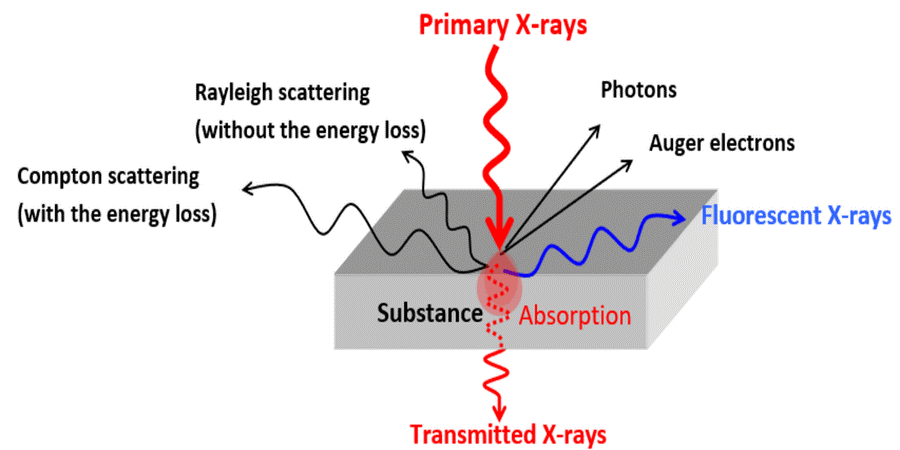
X-ray fluorescence is the method of bombarding a material with high-energy X-rays. This method can obtain information about the metallic coating’s composition and thickness by calculating the intensity and energy of the rays emitted. The non-destructive approach works with various coating types because it doesn’t harm the substrate. The material’s atoms release secondary or fluorescence X-rays during this collision.
In ASTM A754, each instrument is operated such that the area of fluorescence remains between 970 and 3200 mm² for X-ray tube gauges and 3200 and 9000 mm² for isotope gauges. Ensure that the traversing speed leads to less than a 1% test error, and use the triple spot technique to calculate the coating weight. Maintain stable temperature, accuracy, and cleanliness.
Sample Size and Result Analysis
The following are the technical specifications of ASTM A754:
| Particulars | Details |
| Sample size | For ASTM A754, weight is reported in SI units or Inch-pound units. The specimen is created according to the measurements specified. |
| Result | When used for determining coating weight specifications, X-ray tube and isotope coating weight gauges are accurate to 1.3 oz/ft2/side [400 g/m2/side] for zinc coatings, 0.066 oz/ft2/side [20g/m2/side] for tin coatings, and 0.82 oz/ft2/side [250 g/m2/side] for aluminum coatings. |
Applications of ASTM A754
Automotive
In the automotive industry, metallic coatings are widely applied to protect steel parts from corrosion, especially when severe conditions prevail, such as undercarriage and body assembly. ASTM A754 ensures that these coatings are used at an appropriate thickness to meet the durability specification. XRF measurement enables manufacturers to check and confirm whether all the parts are coatable without damaging the steel parts under question.
Electricals and White Goods
Steel parts for electrical and household appliances are also coated with metallic layers to prevent rust and wear. XRF analysis, as per the requirements of ASTM A754, ensures that coatings are homogeneous, hence imparting the final product’s finish class.
Aerospace Industry
Steel elements intended for aerospace extraction must be coated under critical environmental conditions. Measurement of XRF as per ASTM A754 helps ensure the proper application of such coatings, enhancing performance and safety among aerospace and spacecraft components.
Conclusion
ASTM A754 provides an established nondestructive measurement of the thickness of metal coated on steel by X-ray fluorescence. This standard test procedure is of inestimable value to many industries whose quality, thus the performance of items produced, depends purely on the quality of metallic coatings and their durability in the automotive, construction, and aerospace industries. The precision associated with the XRF method is vital in the accurate thickness measurement of film. Further, it enables monitoring of the quality in the process and ensures that manufacturers meet set industry standards. Implementing ASTM A754 assures the companies that the steel is appropriately coated, increasing its lifespan and effectiveness.
FAQs
X-ray Fluorescence is an analytical technique. The technique relies on interaction between X-rays and a material for finding out its elemental composition. In most circumstances, it's non-destructive and applicable for solids, liquids, and powders.
Another useful technology for measuring the thickness of metal layers is X-ray fluorescence (XRF) spectrometry. The XRF method is based on irradiating a specimen using an X-ray tube and measuring the emitted X-ray characteristics from elements contained in the coating layers and the substrate.
Bowman XRF instruments use X-ray fluorescence technology to accurately determine the thickness and composition of plating deposits. The instrument exposes a precisely defined test specimen area to X-ray energy to perform the measurement.
Depending on the coating grade, the thickness should be between 1.4 and 3.9 mils (35 and 100 µm).
Talk to Our Experts Today!
Submit your contact info and we’ll get back to you within 24 hours
Full Spectrum of ASTM Material Testing — Backed by 2,000+ Trusted Lab Partners
ASTM standards for chemical composition, physical properties, failure analysis, and other routine and non-routine testing for polymers and plastics
ASTM standards for determination of mechanical, physical, and thermal properties, and performance of monolithic and composite ceramics
ASTM standards guiding various destructive, non-destructive and analytical tests for quality control of different metals and alloys
ASTM standards for chemical analysis of solid, liquid and gaseous materials for specification compliance and quality control
ASTM standards for various chemical, physical, stability and exposure analysis of paints and coatings
Our Services

Metrology
A variety of microscopy and spectroscopy tools available for precise measurements from the nano to the meter scale.
Learn More
Materials Testing
ASTM and ISO standard and custom chemical, mechanical, thermal, corrosion tests, etc. for all materials metals, ceramic or polymers.
Learn More
Product Testing
Thousands of tests for product quality and reliability under heat, humidity, temperature shock, vibration, drop, electrostatic discharge.
Learn More


