


Abrasion
Infinita Lab’s abrasion testing of materials is designed to assess the wear resistance and durability of materials under varied conditions. Abrasion testing typically represents an underlying methodology in the field of materials science that quantifies a material’s ability to resist surface wear from frictional contact. Metals, composites, ceramics, weld overlays, and thermal spray coatings can all have their abrasive resistance tested via abrasion testing. Under controlled laboratory conditions, abrasion testing can yield information on a material’s resistance to scratching abrasion.


About Abrasion
What is Abrasion Testing of Materials
Abrasion testing is a procedure used to evaluate various materials for durability. Abrasion testing is used to determine how resistant a material is to friction. This testing technique determines how resistant a material is to deterioration. Abrasion testing comes in a variety of forms, each tailored to a particular type of material. The outcomes of abrasion testing offer a preview of how surfaces react under real-world conditions, a comparison between different materials, formulations, and ensuring suitability for intended applications.
Why is it Important to perform Abrasion Testing
Abrasion resistance testing is mostly done by companies to make sure they are creating high-quality products that are defect-free, perform consistently, and last throughout their life cycle.
Analyzing a material’s wear resistance under real-world conditions would be the best course of action. The cost of conducting an on-field trial could be discriminatory, and the complexity of identifying and monitoring the influences can be unwieldy. Companies may condense a product’s lifespan into a significantly shorter period of time in a monitored and regulated setting; An expedited laboratory test provides better results and is cost-effective. Additionally, it makes it possible to test materials under the same circumstances and in the same way.
Applications and Advantages of Abrasion Testing
- Automotive sector and Aerospace Industries: Assessing the durability of paint, polymers, seals, brake pads, and composite materials.
- Consumer Goods and Textile Industry: Testing of different fabrics, footwear materials, and textiles for wear, scratch, and rub resistance.
- Electronics and Packaging Materials: Making sure printed labels, protective films, and casings that are subjected to handling and friction last a long time.
Advantages of accurate testing include:
- Material choice based on quantitative and qualitative data.
- Reduced expenses for extended product warranties
- Increased brand recognition and customer trust thanks to durability assurance.
List of Common Tests under Abrasion Testing
ASTM D1894 Coefficient of Friction Measurements
These tests are conducted to find the resistive force on a film or sheeting specimen when it slides over another material or over itself. The slip characteristics of materials are connected to the coefficients of friction.
ASTM D4060 Taber Abrasion Testing
This test validates the wear resistance of plastics, polymers, coatings, and other materials using abrasive wheels that are under controlled rotation. It is one of those tests that simulates the real-life different wear conditions like foot traffic, surface contact, and provides measurable weight loss data.
ASTM G65 Rubber Wheel/Dry Sand Test
This testing technique, which is frequently employed in wear-heavy industries like mining and construction, gauges resistance to low-stress, sliding abrasion. To provide accurate comparison data on wear resistance over time, the material sample is forced up against a revolving rubber wheel as sand particles erode the surface.
Test for Sand Abrasion (ASTM D968)
This technique assesses how well organic coatings withstand falling abrasive elements like sand. It is especially helpful for industrial and protective coatings applied to heavy machinery, structural steel, and pipelines, where particulate impact abrasion is common.
Conclusion:
In order to confirm that products fulfill the strictest requirements for performance, safety, and durability, abrasion testing of materials is essential. These tests serve as a guide for production, research, and development, and quality assurance decisions, whether they are used in consumer goods, aerospace components, or other components.
Selecting the best testing partner, who has accredited labs, cutting-edge machinery, and industry knowledge, improves long-term dependability and reputation in the marketplace.
Why Choose Infinita Lab for Abrasion Testing Services?
At the core of this breadth is our network of 2,000+ accredited labs in the USA, offering access to over 10,000 test types. From advanced metrology (SEM, TEM, RBS, XPS) to mechanical, dielectric, environmental, and standardized ASTM/ISO testing, we give clients unmatched flexibility, specialization, and scale. You’re not limited by geography, facility, or methodology—Infinita connects you to the right testing, every time.
Looking for a trusted partner to achieve your research goals? Schedule a meeting with us, send us a request, or call us at (888) 878-3090 to learn more about our services and how we can support you. Request a Quote
Frequently Asked Questions
Abrasion testing is a vital tool for maximizing industrial efficiency because abrasions in manufacturing processes can have a substantial impact on the performance and durability of materials. Manufacturers can choose materials that can sustain difficult operating circumstances by precisely understanding wear resistance through the application of thorough abrasion testing.
Infinita Lab offers a range of abrasion testing services to assess the wear and tear of materials due to friction or erosion. The tests are vital for product longevity and performance. The lab uses cutting-edge methods to evaluate a material’s resistance to wear, degradation, and friction. Some of the abrasion testing services offered by Infinita Lab include the NBS Abrasion Test, the DIN Abrasion Test, and the Taber Abrasion Test. The NBS Abrasion Test is used to test materials with a thickness, while the DIN Abrasion Test is used to test rubber materials. The Taber Abrasion Test is used to test the abrasion resistance of coatings, plastics, and textiles.
Infinita Lab’s abrasion testing services are beneficial to a wide range of industries that rely on materials that are subject to wear and tear. These industries include manufacturing, aerospace, automotive, construction, and textile industries, among others. The tests are designed to evaluate the resistance of materials to wear, degradation, and friction, which are crucial factors in determining the longevity and performance of products.
Infinita Lab offers a variety of abrasion testing services, including the NBS Abrasion Test, the DIN Abrasion Test, and the Taber Abrasion Test, which are recognized as worldwide standards for abrasion testing.
Infinita Lab is a reputable and skilled testing facility that offers precise, dependable, and useful insights for abrasion material testing. We have an extensive network of laboratories across the US. We offer 2000 specialized tests that cater to all specific needs of material testing. With state-of-the-art equipment and knowledgeable staff about composite materials, we provide an extensive range of testing services that address non-destructive, mechanical, and thermal aspects.
Fortune 500 companies trust us for their quality testing services. With state-of-the-art equipment and expertise in various materials and industries, we provide customized services to meet unique testing needs. Our commitment to quality, precision, and customer satisfaction ensures that businesses from various industries trust them for material selection, product durability, and operational efficiency.
Yes. For the automotive industry, abrasion testing is critical to ensuring the reliability and longevity of components exposed to harsh conditions, such as engine parts and interior materials. Our testing services contribute to the production of automotive components that meet stringent wear resistance standards, enhancing vehicle performance and customer satisfaction. Abrasion testing is essential to improving component durability. Manufacturers can assess these components’ wear resistance using abrasion testing, making sure they can survive the challenging circumstances they will face over time.
Automobile manufacturers may choose the right materials for their components with greater durability by incorporating abrasion testing into the manufacturing process. This increases the longevity of automobile components and improves the general dependability and efficiency of cars. Abrasion testing offers important insights that help produce dependable and long-lasting automotive components, whether it is used to determine the wear resistance of engine components subjected to friction or to analyze the longevity of interior materials exposed to regular usage. In addition to improving the quality and safety of cars, this proactive strategy helps automakers maintain their good name by producing products that meet or beyond industry standards for dependability and wear resistance.
Read Our Blogs and Research Papers
In-depth examination of genuine material testing solutionsAccelerated Aging Testing Services

Accelerated Aging Testing Services
Introduction Accelerated aging in product testing is a methodology that simulates the long-term effects of environmental factors on a product...
Read ArticleISO 5173: Welding Bend Testing Services
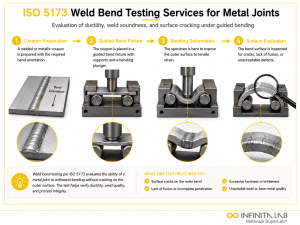
ISO 5173: Welding Bend Testing Services
BS EN ISO 5173 The standard provides guidelines for determining the appropriate welding parameters for different thicknesses and types of...
Read ArticleAsh Content Testing Services
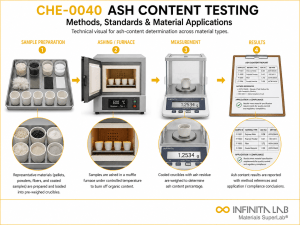
Ash Content Testing Services
ASH CONTENT The most effective techniques are based on the fact that minerals may be heated without being damaged and...
Read Article
Get your Abrasion Testing done from the largest network of accredited labs in the USA
We are a material testing lab with a vast network of accredited labs across the country. Our state-of-the-art equipment and experienced team provide accurate and timely testing services to meet the unique needs of our clients. Partner with us for reliable material testing solutions.
 Quick Turnaround and Hasslefree process
- Confidentiality Guarantee
- Free, No-obligation Consultation
- 100% Customer Satisfaction


