


Electronics
At Infinita Lab, we specialize in providing extensive electronics testing services, ensuring your products meet the highest standards for quality, safety, and functionality. Our adherence to quality assurance and safety makes us a trusted partner of engineers from Fortune 500 companies.


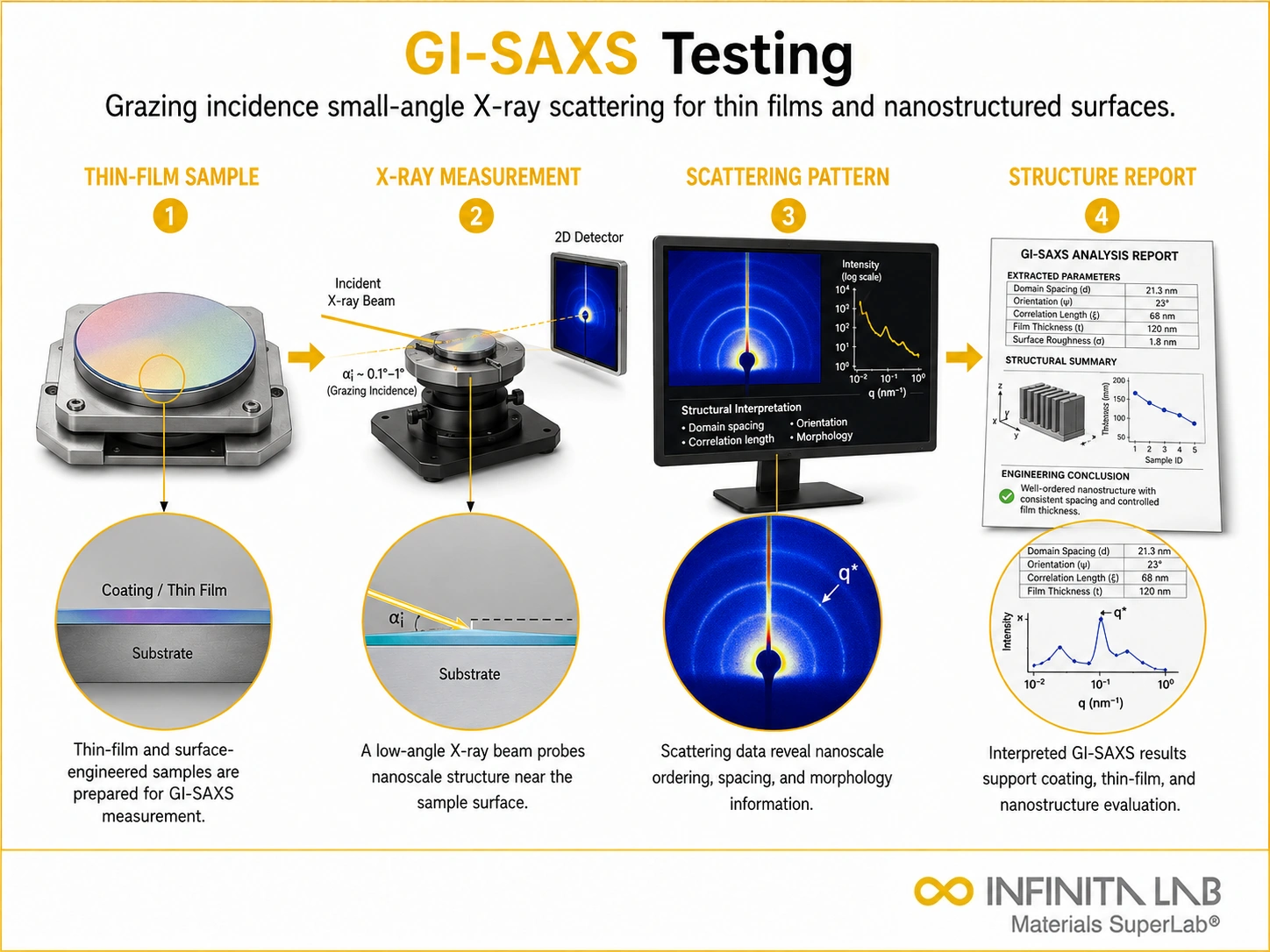
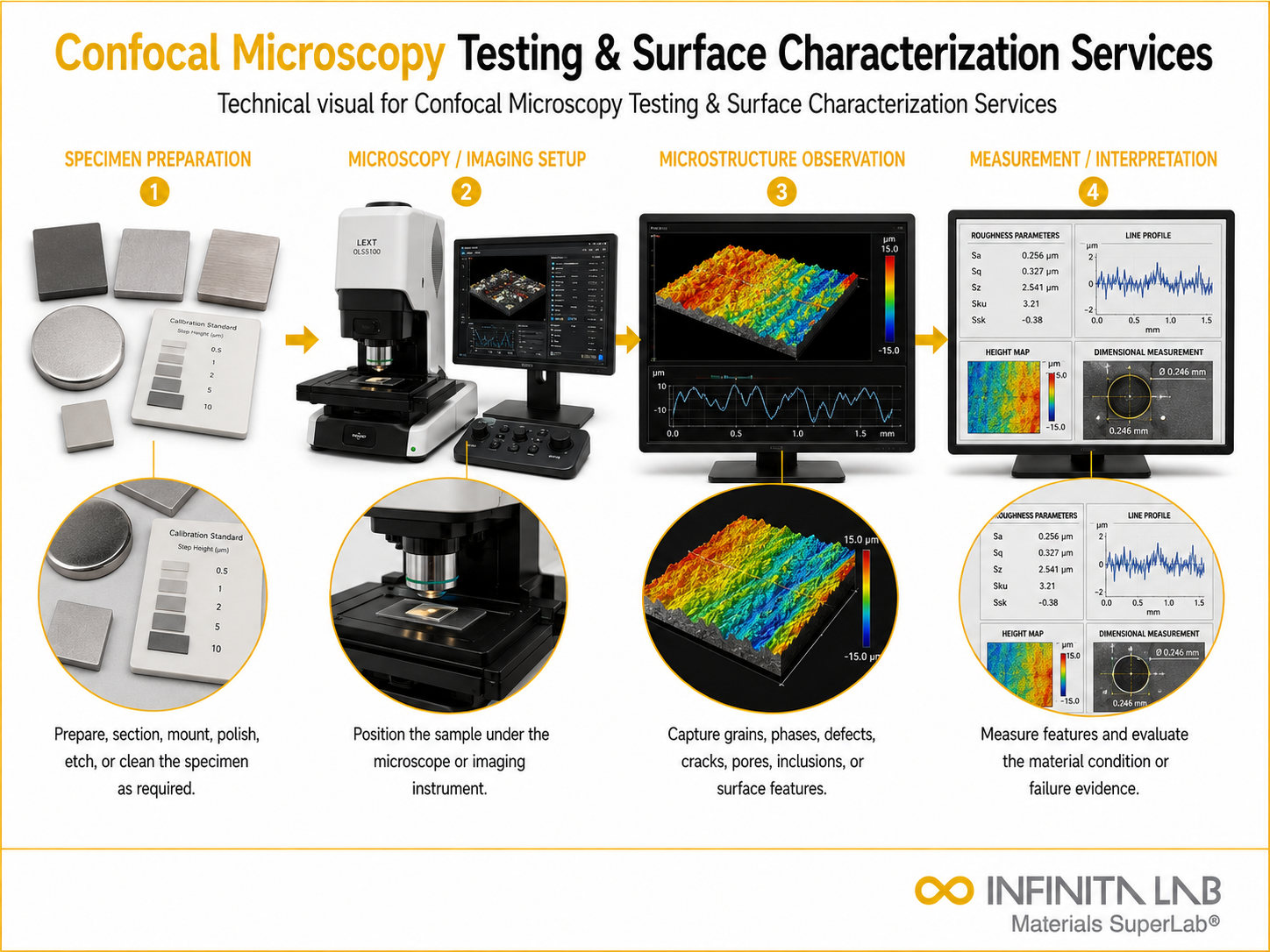
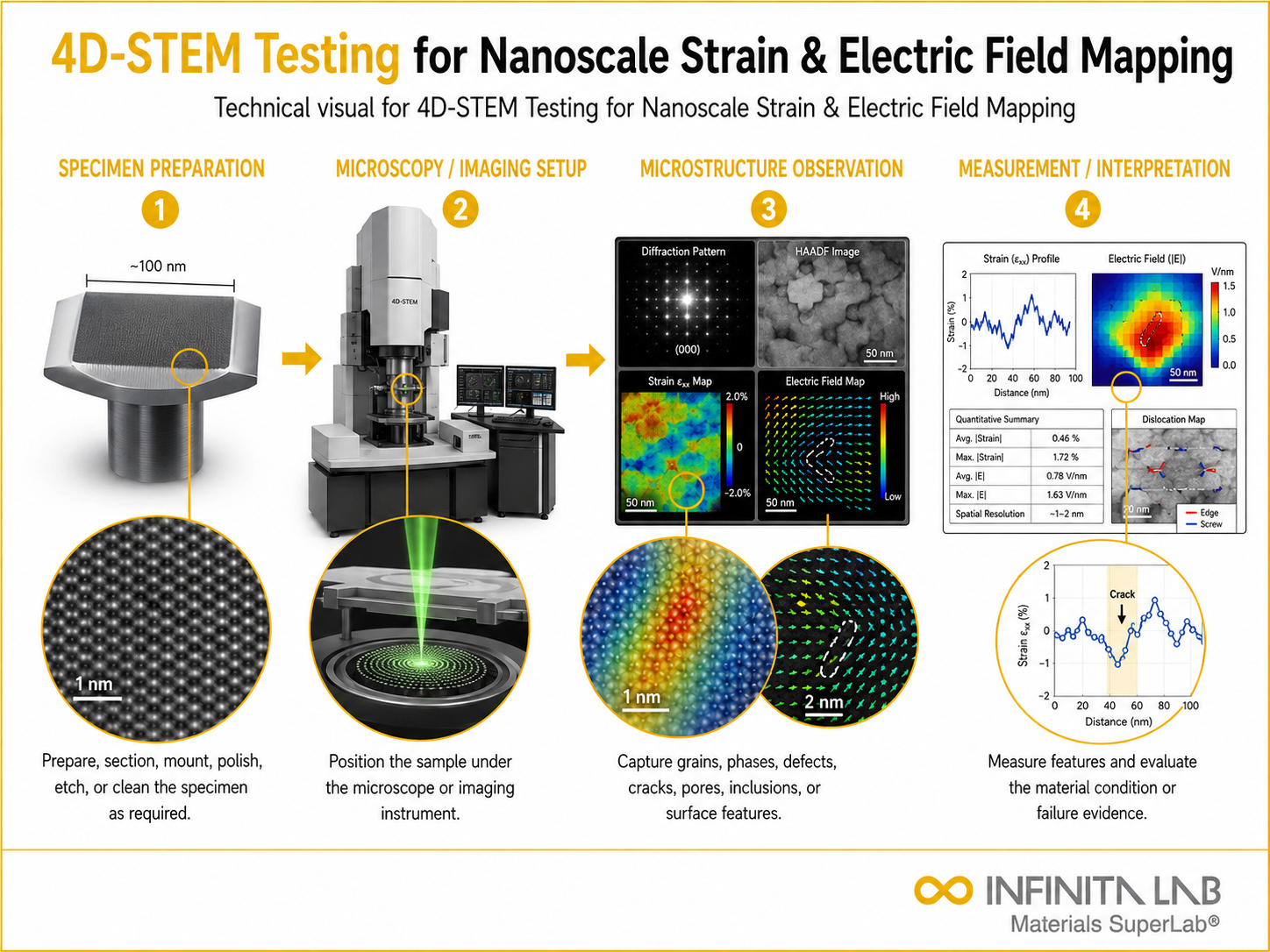
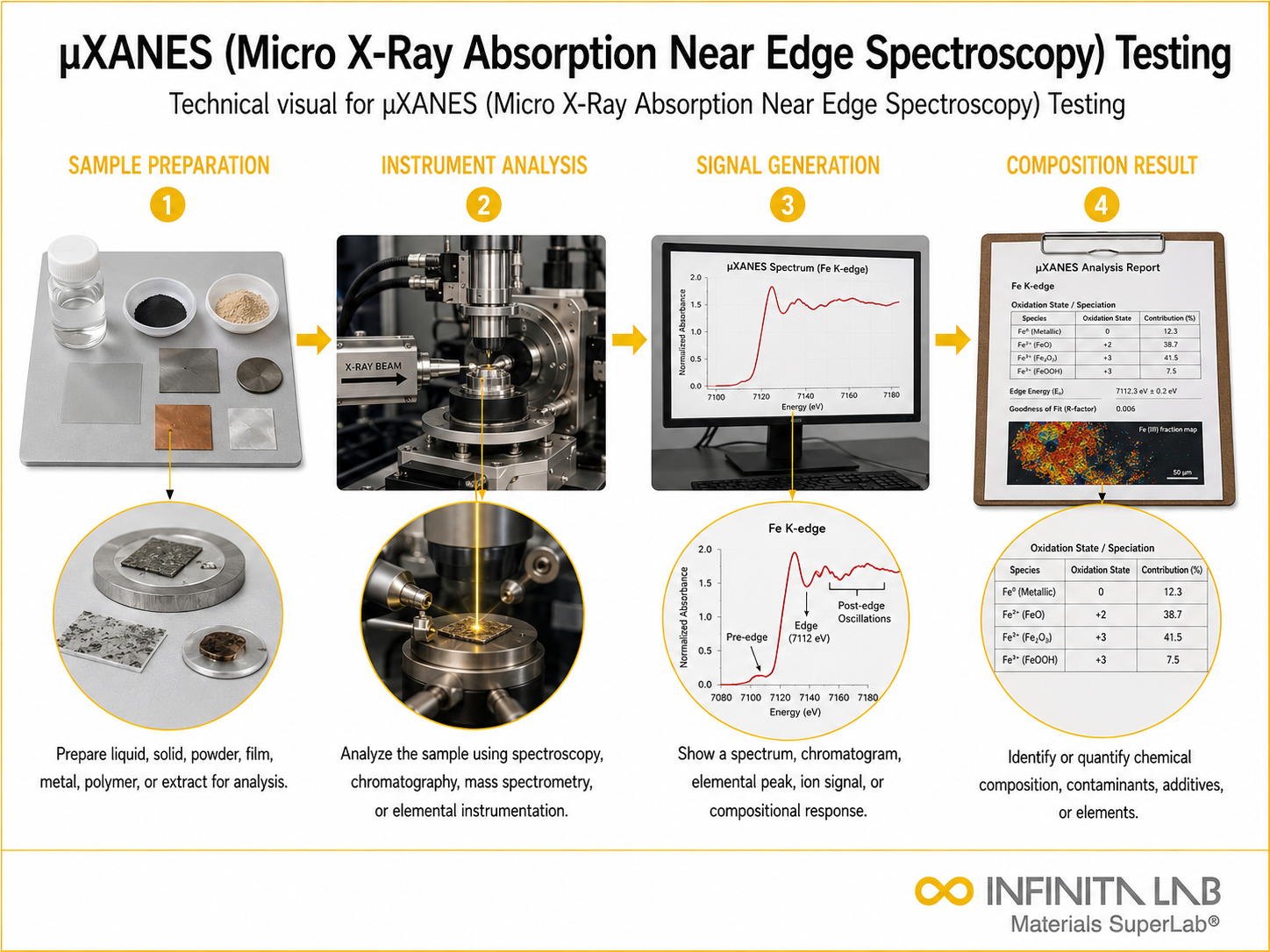
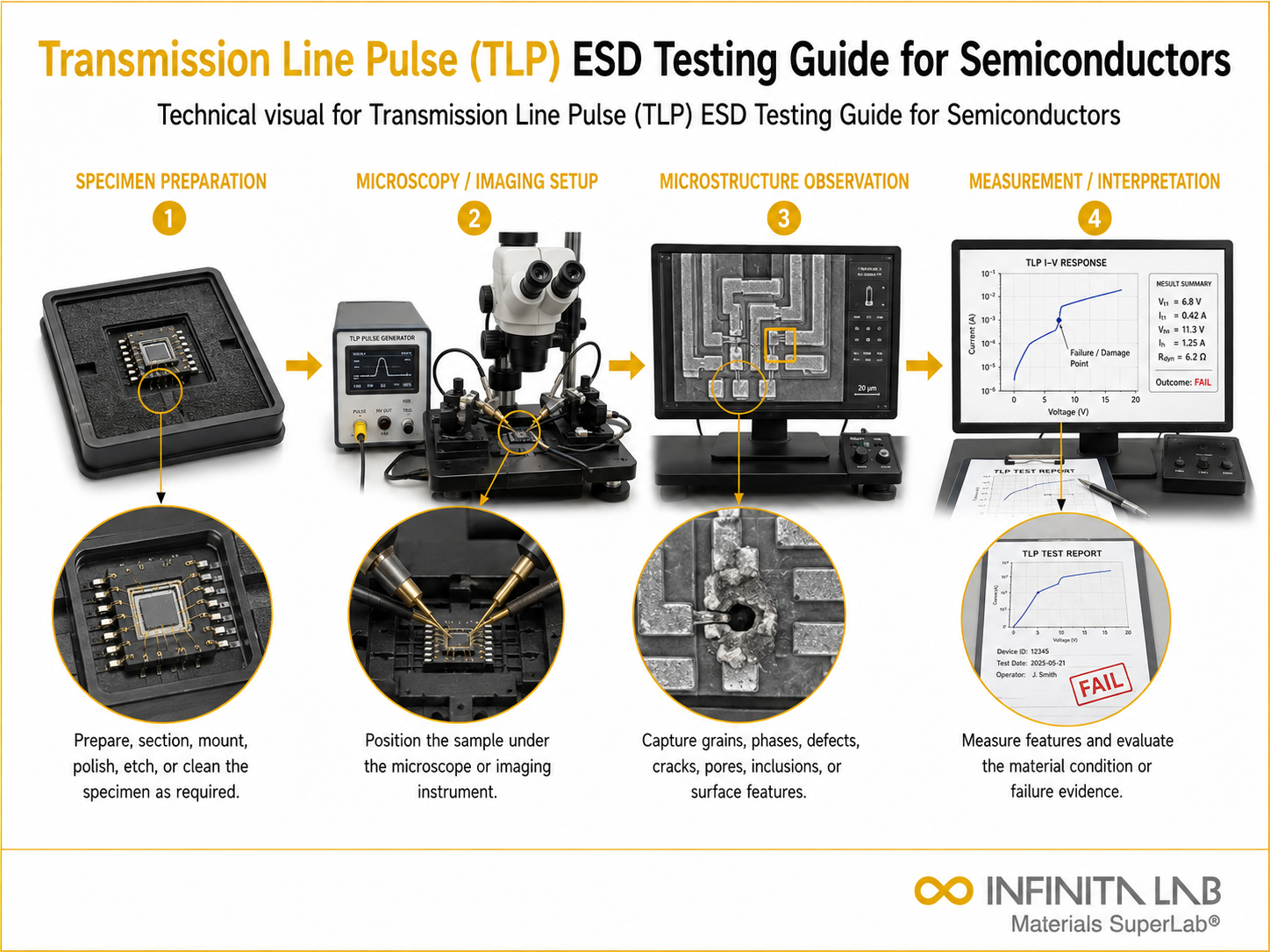
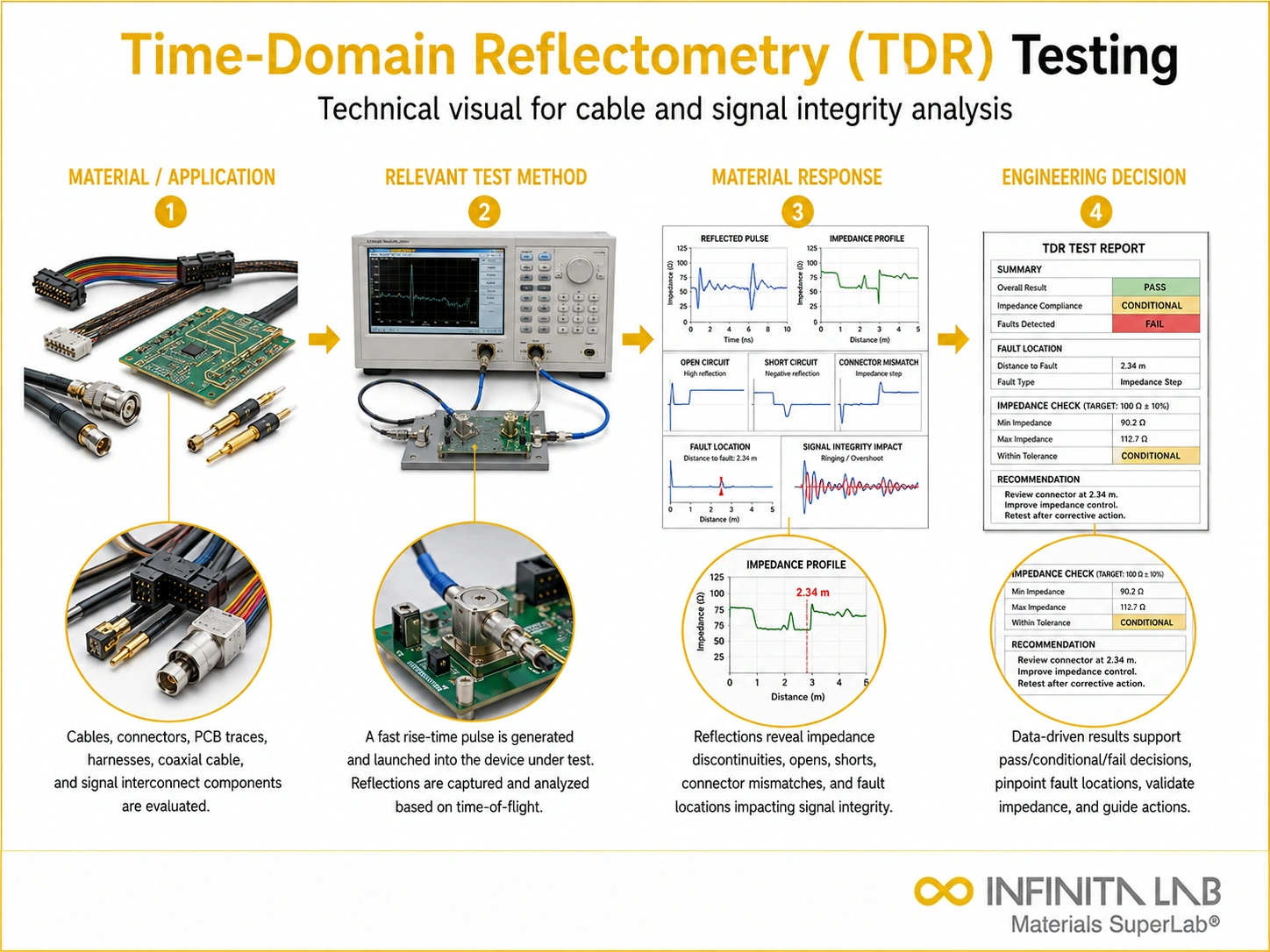


Contemporary electronic devices operate under an implicit assurance of reliability regarding their fundamental material properties. This encompasses the structural integrity of circuit boards under thermal duress, the resilience of insulation against voltage-induced breakdown, the long-term stability of dielectric substrates, and the absence of hazardous outgassing within sensitive operating environments. While these technical specifications remain transparent to the end-user, they represent critical parameters that engineers must rigorously validate.
Electronics testing is essential to transitioning a prototype into a commercially viable product. It involves the systematic and standardized evaluation of electronic materials, components, and assemblies to verify electrical performance, insulation integrity, thermal characteristics, surface durability, and chemical safety. These evaluations are critical throughout the product lifecycle, from initial material selection to production qualification and subsequent failure analysis. Diligent adherence to these testing protocols ensures consistent performance over a device’s service life. In contrast, insufficient testing may lead to significant liabilities, including product recalls, warranty expenditures, and substantial reputational damage.
Our Electronics Testing Services
Dielectric Strength Testing for Electrical Insulation
Every insulating material in an electronic device – whether it is a PCB substrate, a wire coating, a capacitor dielectric, or a connector housing – is tasked with one fundamental job: preventing electrical current from flowing where it shouldn’t. Dielectric strength testing quantifies how much voltage a material can withstand before it fails electrically. This is not a compliance formality; it is the foundational safety test for any material used in electrical insulation applications. A material that breaks down at a lower voltage than its specification claims will fail in service, potentially catastrophically.
Relevant ASTM Standards:
ASTM D149 – Dielectric Breakdown Voltage and Dielectric Strength of Solid Electrical Insulating Materials. ASTM D149 assesses the dielectric breakdown voltage of solid electrical insulators, determining the highest voltage a substance can withstand before electrical failure. Testing is conducted under controlled conditions to verify that insulating materials meet the voltage endurance requirements of their intended application. This test is essential for qualifying insulation materials in consumer electronics, power electronics, automotive systems, and industrial electrical equipment where high-voltage integrity is a safety-critical requirement.
Surface and Volume Resistivity Testing
Not all electrical failures are dramatic breakdowns. Many of the most consequential failures in electronics are caused by gradual current leakage through insulation that conducts slightly when it should not, across moisture-absorbed surfaces, or through bulk materials that lack the resistivity their specifications require. Surface and volume resistivity testing quantifies exactly how well an insulating material resists the flow of electric current, providing data essential for selecting materials for circuits where leakage current must be controlled.
Relevant ASTM Standards:
ASTM D257 – Surface and Volume Resistivity of Electrical Insulating Materials. ASTM D257 measures the volume and surface resistivity of electrical insulating materials, assessing the material’s resistance to the flow of electric current – essential for ensuring efficient insulation. Under DC voltage circumstances, this test aids in evaluating conductivity and dielectric characteristics. Results from ASTM D257 testing are used to select materials for printed circuit board substrates, enclosure materials, connector housings, and any application requiring controlled electrical isolation.
Dielectric Constant and Dissipation Factor Testing
For electronic components operating in alternating current environments – capacitors, circuit board substrates, antenna materials, high-frequency transmission lines – the dielectric constant and dissipation factor of the insulating material are not secondary properties. They are design parameters that determine the signal propagation speed, capacitance, and energy loss in the circuit. Getting these properties wrong at the material selection stage leads to circuit performance that does not match simulation and products that fail to meet their electrical specifications.
Relevant ASTM Standards:
ASTM D150 – Dielectric Constant and Dissipation Factor of Electrical Insulating Materials ASTM D150 determines the dielectric constant and dissipation factor of insulating materials, evaluating a material’s capacity to both store and release electrical energy in an AC electric field. This test is fundamental for qualifying dielectric substrates, PCB laminates, capacitor materials, and insulating films used in any electronic application where AC electrical performance must be tightly controlled. Results support both material selection and production quality verification.
ASTM D2149 – Dielectric Constant and Dissipation Factor of Solid Ceramic Dielectric Materials at Microwave Frequencies ASTM D2149 extends dielectric characterization to solid ceramic dielectric materials across a range of frequencies, providing critical performance data for ceramic capacitor substrates, microwave components, and high-frequency electronic assemblies where ceramic dielectrics are specified for their stability and temperature performance.
ASTM D2520 – Complex Permittivity of Solid Electrical Insulating Materials at Microwave Frequencies ASTM D2520 measures the complex permittivity of solid electrical insulating materials at microwave frequencies, providing detailed dielectric characterization for materials used in high-frequency and microwave electronic applications, including antenna substrates, radar components, and telecommunications hardware.
Thermal Aging Testing for Electrical Insulation
Electronic devices generate heat during operation, and the insulating materials inside them are continuously exposed to that heat throughout their service life. Insulation that is adequate at ambient temperature may degrade, soften, crack, or lose its electrical properties at operating temperature – particularly when exposed to elevated temperatures over extended periods. Thermal aging testing accelerates this process in the laboratory, revealing how insulation performance changes with thermal exposure before the product reaches the field.
Relevant ASTM Standards:
ASTM D5374 – Thermal Endurance of Electrical Insulating Materials. ASTM D5374 evaluates the thermal endurance of insulating materials by subjecting them to elevated temperatures for a specified duration, then assessing their ability to maintain structural integrity and electrical performance. This test is essential for qualifying insulation in motors, transformers, power electronics, and any electrical application where materials are exposed to sustained elevated operating temperatures throughout their service life.
Hardness Testing for Electrical Insulating Materials
The mechanical properties of electrical insulating materials matter as much as their electrical properties. An enclosure that dents and cracks under service loading, a connector housing that deforms under assembly force, or a PCB substrate that scratches during handling – these are mechanical failures with electrical consequences. Hardness testing provides quantitative data on a material’s resistance to surface indentation and deformation, enabling engineers to select materials with the mechanical durability their application demands.
Relevant ASTM Standards:
ASTM D785 – Rockwell Hardness of Plastics and Electrical Insulating Materials ASTM D785 measures the Rockwell hardness of plastics and electrical insulating materials using standardized indenter loads and scales. This test is widely used to qualify PCB materials, electronic enclosures, connector housings, and insulating components where surface hardness is a specification requirement. Results support both material selection and incoming quality control in electronics manufacturing.
Eddy Current Electrical Conductivity Testing
For conductive materials used in electronic components – metal traces, lead frames, heat spreaders, and electromagnetic shielding – knowing the precise electrical conductivity of the material is a quality and performance requirement. Eddy current testing provides a fast, non-destructive method for measuring electrical conductivity in metallic materials, enabling incoming material verification and production monitoring without damaging the component.
Relevant ASTM Standards:
ASTM E1004 – Electromagnetic (Eddy Current) Measurements of Electrical Conductivity. ASTM E1004 uses electromagnetic eddy-current techniques to measure the electrical conductivity of metallic materials. This non-destructive test method applies to conductive materials used in electronics manufacturing, including copper alloys, aluminum components, and metal substrates, where conductivity verification is a specification requirement for circuit performance or thermal management.
Water Tree Growth Resistance Testing for Cable Insulation
Cable insulation used in power distribution systems, industrial facilities, and infrastructure must maintain its dielectric integrity not only under dry conditions but also when moisture is present – including the insidious degradation mechanism of water tree growth, in which moisture-driven microstructural damage gradually degrades insulation performance over years of service. Testing water tree resistance is essential for qualifying cable insulation materials intended for wet or underground applications.
Relevant ASTM Standards:
ASTM D6097 – Water Tree Growth Resistance of Solid Dielectric Materials ASTM D6097 evaluates the resistance of solid dielectric materials to water tree initiation and growth under accelerated test conditions. This test is critical for qualifying insulation polymers used in underground power cables, wet-environment wiring systems, and any cable application where long-term moisture exposure is a service reality.
VOC Content Testing for Electrical Insulating Varnishes
Electrical insulating varnishes used in motor windings, transformers, and electronic assemblies must meet increasingly stringent volatile organic compound (VOC) requirements driven by environmental regulations and workplace safety standards. Knowing the VOC content of an insulating varnish is not only a regulatory compliance requirement – it also affects its application behavior, curing performance, and suitability for use in enclosed or occupied spaces.
Relevant ASTM Standards:
ASTM D6053 – VOC Content of Electrical Insulating Varnishes ASTM D6053 determines the volatile organic compound content of electrical insulating varnishes under defined test conditions. This standard supports both regulatory compliance and quality control for varnish manufacturers and users in the motor, transformer, and electronics industries, where environmental and occupational health regulations impose VOC limits.
Outgassing Testing for Electronic Materials
In vacuum environments – satellites, space-grade electronics, vacuum chambers, and precision optical systems – even trace amounts of volatile materials outgassing from polymers, adhesives, and coatings can condense on sensitive surfaces, degrading optical performance, contaminating detectors, or short-circuiting electrical contacts. Outgassing testing measures the total mass loss and the release of condensable volatile materials from a specimen under vacuum conditions, providing critical data for material qualification in space and high-vacuum electronic applications.
Relevant ASTM Standards:
ASTM E595 – Total Mass Loss and Collected Volatile Condensable Materials from Outgassing in a Vacuum Environment. ASTM E595 measures total mass loss (TML) and collected volatile condensable materials (CVCM) from materials subjected to defined vacuum and temperature conditions. This test is the standard qualification method for materials used in spacecraft, satellite systems, precision electronics, and any application where outgassing contamination of adjacent surfaces or components must be controlled and verified.
Photovoltaic Cell Electrical Performance Testing
As solar energy systems become a significant category of electronic products – from utility-scale installations to consumer solar devices and portable power systems – standardized electrical performance testing of photovoltaic cells under controlled, simulated sunlight conditions has become a critical requirement for quality and product qualification. Consistent, repeatable performance data under defined illumination conditions enables meaningful comparison of PV cell efficiency and supports warranty and compliance claims.
Relevant ASTM Standards:
ASTM E948 – Electrical Performance of Photovoltaic Cells Using Reference Cells Under Simulated Sunlight ASTM E948 defines the procedure for measuring the electrical performance of photovoltaic cells under simulated solar illumination using calibrated reference cells. This test is the standard method for determining the efficiency, open-circuit voltage, short-circuit current, and maximum power output of PV cells under controlled conditions, supporting both product development and compliance testing for solar energy products.
Fire Resistance Testing for Electrical Cable Systems
Electrical cables installed on cable trays in buildings, industrial facilities, and data centers must demonstrate resistance to the propagation of fire to comply with fire safety codes and protect occupants and critical infrastructure. Fire resistance testing for cable systems validates that cable installations will resist sustained burning under defined fire exposure conditions, limiting the spread of fire along cable runs.
Relevant ASTM Standards:
ASTM E1725 – Fire Tests for Fire-Resistive Cable Systems in Cable Trays ASTM E1725 evaluates the fire resistance of cable systems installed in cable trays by exposing them to standardized fire conditions and assessing their ability to maintain circuit integrity and resist flame propagation. This test is required for qualifying fire-resistive cables used in life safety systems, emergency power circuits, and critical infrastructure where cable function must be maintained under fire conditions.
Frequently Asked Questions
Electronic material testing is a crucial process that evaluates and analyzes materials used in the manufacturing of electronic components, devices, and systems. It is essential for ensuring the reliability, safety, and performance of electronic products, from consumer electronics to industrial equipment and aerospace applications. The importance of this testing lies in its role in reliability assurance, safety verification, compliance with industry standards, performance optimization, innovation support, cost-effectiveness, quality assurance, and environmental considerations.
Performance optimization is essential for selecting the right materials, as it evaluates properties such as thermal conductivity, electrical conductivity, and mechanical strength. This data supports innovation by enabling the exploration of novel materials that may offer improved functionality and performance in electronic devices.
Infinita Lab streamlines end-to-end electronics material testing through a strategic blend of cutting-edge technology and expert analysis. We initiate our process with a thorough understanding of our clients’ specific testing requirements, ensuring a tailored approach. Our wide range of tests includes electromagnetic compatibility, circuit analysis, and environmental stress assessments, performed using advanced testing equipment. This comprehensive testing is complemented by our expert team’s meticulous attention to detail, ensuring precision and accuracy. We further enhance efficiency with streamlined data reporting and client communication, providing clear and actionable insights. This integrated and client-focused methodology enables Infinita Lab to deliver swift, reliable, and comprehensive results in electronics material testing.
Infinita Lab’s approach to electronics testing is superior in the U.S. market due to its comprehensive and technologically advanced methodologies. We offer a diverse range of over 2000 tests, covering every aspect of electronics testing, from electromagnetic compatibility to circuit analysis and environmental stress testing. Our state-of-the-art facilities equipped with the latest technology ensure precise and accurate results. Additionally, our team of experts brings specialized knowledge and experience, providing not just testing services but also insightful analysis and customized solutions. This combination of cutting-edge technology, extensive testing capabilities, and expert consultation positions Infinita Lab at the forefront of electronics testing services.
Infinita Lab streamlines electronics material testing with a focused and efficient process. We begin with a detailed consultation, understanding each client’s specific testing needs. Utilizing our extensive suite of specialized tests, we meticulously assess various aspects of electronic materials, including electromagnetic compatibility, circuit integrity, and environmental durability. Our state-of-the-art equipment ensures precision and accuracy in every test. Our team of experts, with specialized knowledge in electronics, oversees each step, guaranteeing thorough and compliant testing. The process is enhanced by swift turnaround times and effective communication, providing clients with clear, comprehensive reports. This systematic and client-focused approach ensures Infinita Lab delivers exceptional quality and reliability in electronics material testing.
InfinitaLab is well-equipped to handle urgent and custom electronics testing requirements with exceptional proficiency. Our expansive suite of over 2000 tests encompasses a wide range of electronics testing services, tailored to meet the specific needs of each client. Understanding the fast-paced and innovative nature of the electronics industry, InfinitaLab places a strong emphasis on flexibility and responsiveness.
For urgent testing needs, our operational model is designed for rapid response. We prioritize these requests, ensuring quick turnaround times without sacrificing accuracy or quality. This is facilitated by our collaboration with a network of specialized labs across the U.S., each equipped with state-of-the-art technology and expertise in electronics testing. This decentralized approach not only accelerates the testing process but also allows for a high degree of customization in test procedures.
Read Our Blogs and Research Papers
In-depth examination of genuine material testing solutionsTypes of VOC Testing: Methods, Standards & Industry Applications
Types of VOC Testing: Methods, Standards & Industry Applications
What Are VOCs and Why Are They Tested? Volatile Organic Compounds (VOCs) are organic chemicals with boiling points low enough...
Read ArticleJESD22-A104: Jesd22 Temperature Cycling Testing Services
JESD22-A104: Jesd22 Temperature Cycling Testing Services
JESD 22-A104B JESD 22-A104B is a test standard that specifies the procedure for testing electronic components for their resistance to...
Read ArticleMaintaining Ring Gauges: Calibration, Care & Measurement Accuracy
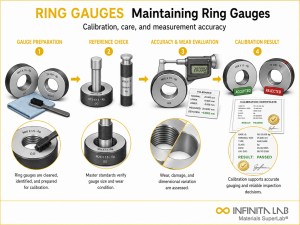
Maintaining Ring Gauges: Calibration, Care & Measurement Accuracy
What Are Ring Gages? Ring gages are precision measurement tools used to inspect the external diameter of cylindrical workpieces—shafts, pins,...
Read Article
Get your Ceramic Material testing done from the largest network of accredited labs in the USA
We are a material testing lab with a vast network of accredited labs across the country. Our state-of-the-art equipment and experienced team provide accurate and timely testing services to meet the unique needs of our clients. Partner with us for reliable material testing solutions.
 Quick Turnaround and Hasslefree process
- Confidentiality Guarantee
- Free, No-obligation Consultation
- 100% Customer Satisfaction


