


Plastic
Testing plastic materials is important for ensuring the performance, safety, and quality of polymers for applications in the electronics, automobile, and packaging industries. Infinita Lab provides comprehensive testing services involving chemical, mechanical, thermal, and environmental tests. Whereas TGA and DSC test for thermal stability and processing characteristics, tensile, flexural, and elongation tests measure strength and durability. Environmental ageing and flame retardancy tests check for safety compliance and durability against actual service conditions. For quality control purposes, molecular weight, co-polymer split ratios, and additives are ascertained using chemical analysis. Such services help makers maximize materials, ensure adhesion and produce reliable, innovative products.


Top Testing Services
-
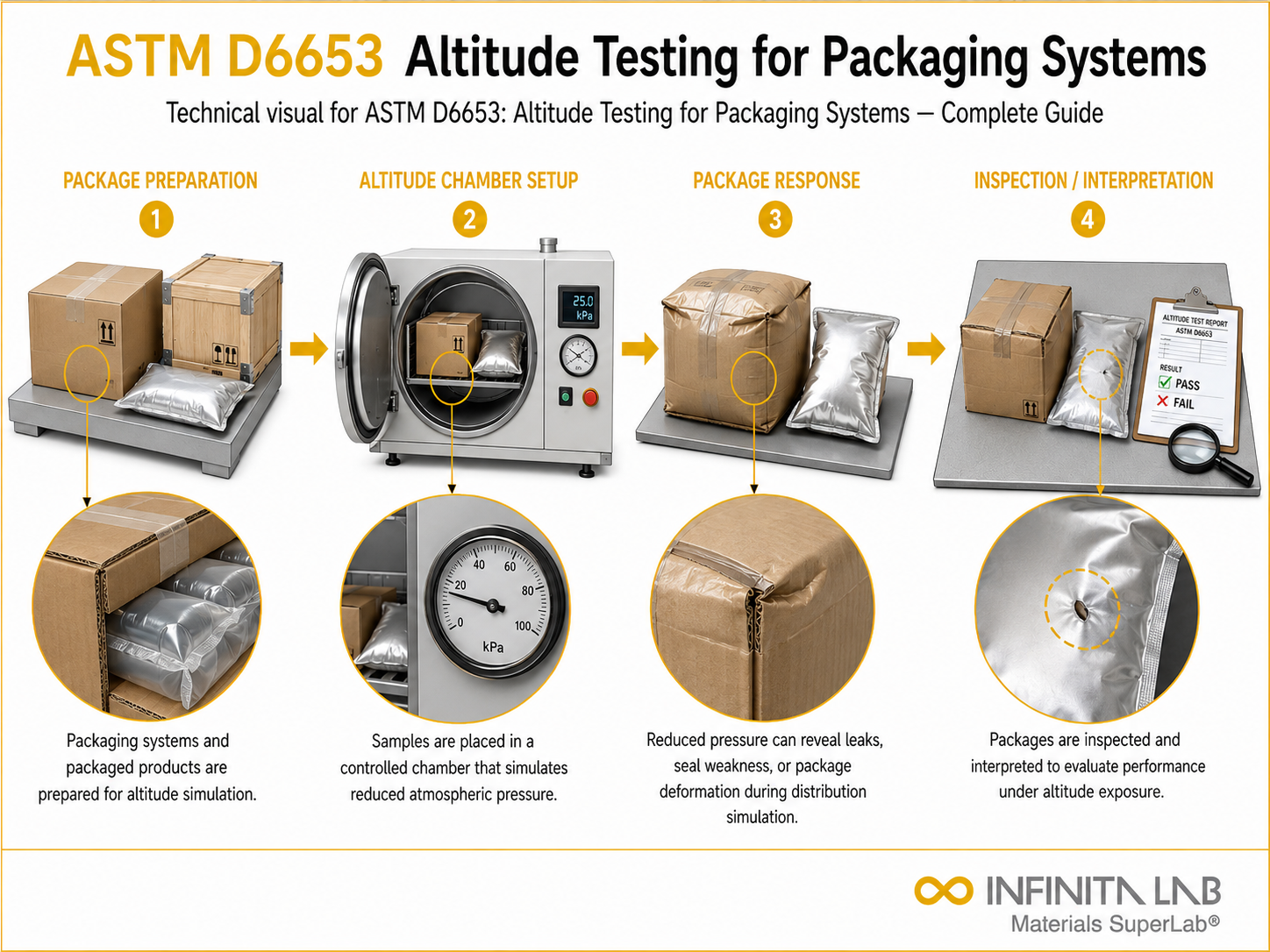
 ASTM D6653: Altitude Testing for Packaging Systems — Complete Guide
 -
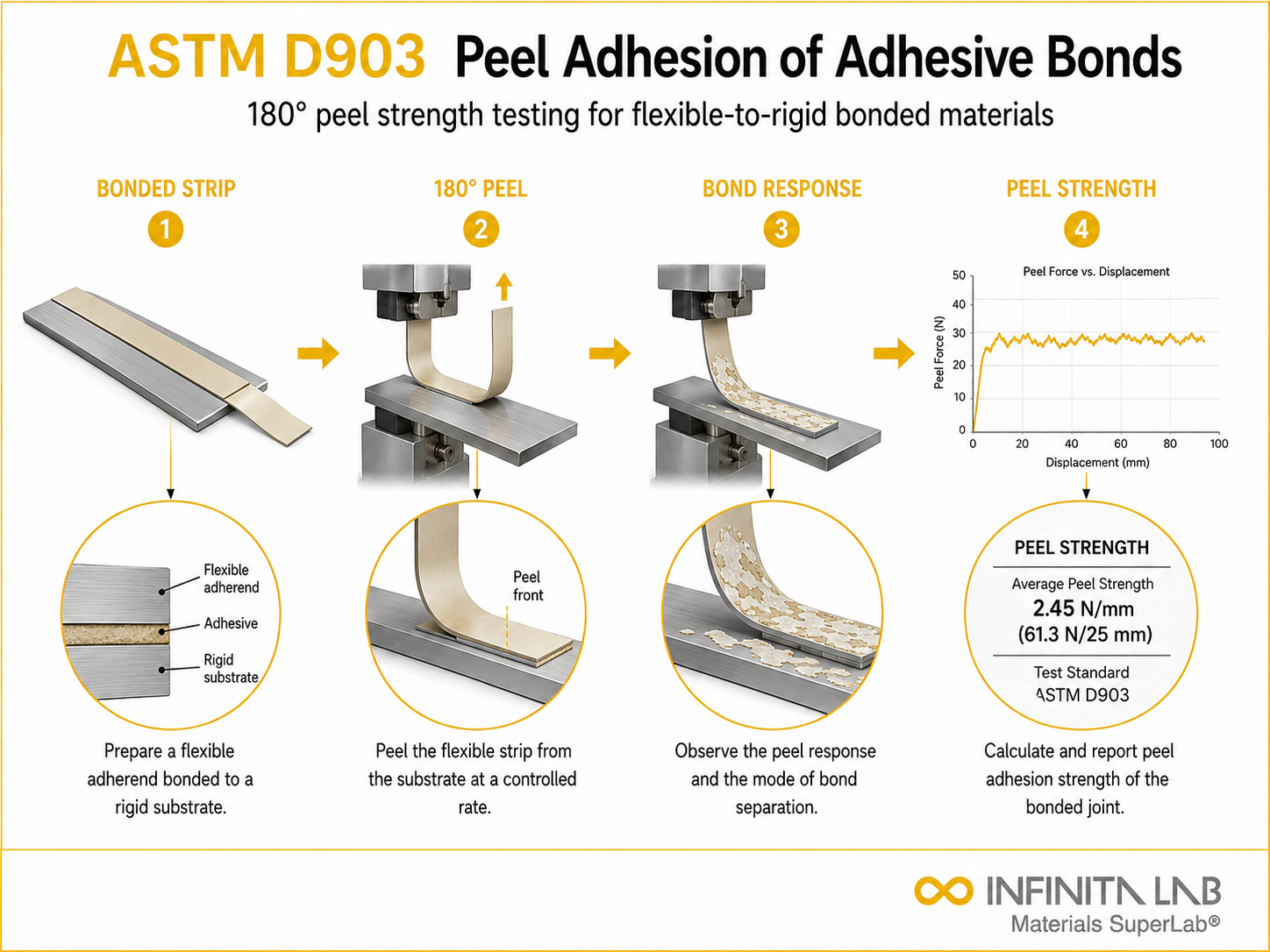
ASTM D903: Peel Adhesion Testing of Adhesive Bonds — Complete Guide
-
ASTM E928 Explained: DSC Purity Testing Procedures & Purpose
-
 ASTM F1249 WVTR Testing Guide for Packaging Film Moisture Barrier
 -
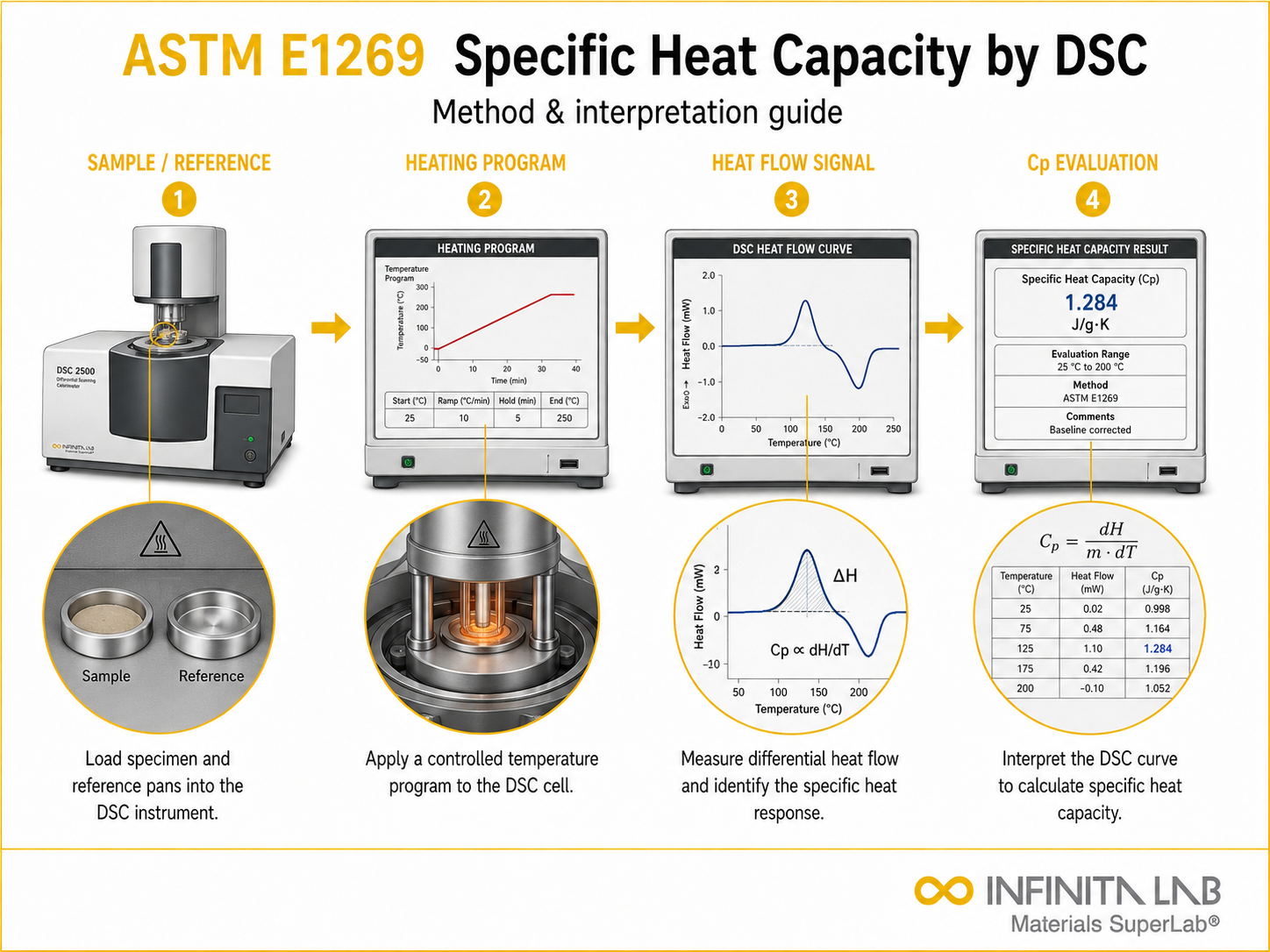
ASTM E1269: Specific Heat Capacity by DSC — Method & Interpretation Guide
-
ASTM D6387: Testing Coated Flexible Packaging — Procedure Explained






Introduction to Plastic Testing
The evaluation of plastic materials is essential for validating the performance, safety, and quality of polymers utilised within the electronics, automotive, and packaging sectors. Infinita Lab offers extensive testing protocols encompassing chemical, mechanical, thermal, and environmental assessments. Techniques such as Thermogravimetric Analysis (TGA) and Differential Scanning Calorimetry (DSC) are employed to analyse thermal stability and processing parameters, while tensile, flexural, and elongation examinations quantify material strength and durability. Furthermore, environmental aging and flame-retardancy evaluations ensure compliance with safety regulations and long-term resilience under operational conditions. For quality assurance, chemical analyses are conducted to determine molecular weight, copolymer ratios, and additive concentrations, enabling manufacturers to optimise material selection, enhance adhesion, and develop dependable, innovative products.
Infinita Lab maintains a comprehensive network of specialised laboratories throughout the United States, employing sophisticated diagnostic methods to characterise the mechanical, thermal, and chemical properties of polymers and plastics. This rigorous approach ensures that all materials comply with stringent industrial specifications and consumer safety requirements.
Our Plastic Testing Services
Mechanical Testing
Mechanical testing defines how a plastic responds to applied forces – determining its strength, stiffness, toughness, and deformation behaviour under service loads. From auto components and packaging films to high-performance engineering polymers, mechanical data is the most fundamental foundation for material selection, quality control, and product design validation.
Relevant ASTM Standards:
- ASTM D638 – Tensile testing of plastics, determining tensile strength, breaking strength, and maximum elongation of reinforced and unreinforced plastics – the most fundamental set of mechanical properties for polymer qualification.
- ASTM D790 – Flexural testing that measures flexural modulus and flexural strength of beam-like plastic parts under bending loads; widely used for structural plastic components.
- ASTM D256 – Izod impact testing measures the energy absorbed during fracture, which is critical for impact-sensitive plastic applications across the automotive, electronics, and packaging industries.
- ASTM D6110 – Charpy impact resistance testing for notched plastic specimens, providing an alternative impact energy measurement for plastics used in protective and structural applications.
- ASTM D2240 – Shore hardness testing measures the surface resistance to indentation in plastic and elastomeric materials and is used for rapid production screening and material comparison.
- ASTM D785 – Rockwell hardness testing for plastics and electrical insulating materials, providing a standardised hardness scale for rigid polymers.
- ASTM D7791 – Uniaxial fatigue testing under cyclic loading conditions for plastics, providing service life data for dynamically stressed plastic components.
- ASTM D2990 – Creep and stress relaxation testing, measuring time-dependent deformation of plastics under sustained load – critical for long-term sealing, structural, and load-bearing applications.
Flexural & Compressive Strength Testing
Flexural and compressive testing evaluate how plastics respond to bending and compressive loads, providing the stiffness and strength data needed for components subject to sustained structural loading, such as housings, brackets, and load-bearing panels.
Relevant ASTM Standards:
- ASTM D790 – Flexural modulus and flexural strength testing for plastics and plastic composites, measuring beam stiffness and bending resistance under three-point loading.
- ASTM D638 – Tensile modulus and compressive yield strength can also be derived from tensile test data, providing a comprehensive mechanical characterisation of plastic materials.
Thermal Analysis
Plastics are exposed to a wide range of temperatures during manufacture and service. Thermal analysis determines melting points, glass transition temperatures, heat deflection limits, and thermal stability – defining how a plastic responds to cold and heat and ensuring reliable performance in electronics, packaging, and high-temperature applications.
Relevant ASTM Standards:
- ASTM D648 – Heat Deflection Temperature (HDT) / Deflection Temperature Under Load (DTUL) testing, defining the service temperature limit of a plastic under structural load – critical for automotive housings, electrical enclosures, and industrial components.
- ASTM D1525 – Vicat Softening Point (VSP) testing for the upper use temperature of a plastic under indentation load, providing a single-point thermal reference for thermoplastic material selection.
- ASTM E1131 – Thermogravimetric Analysis (TGA) for decomposition onset temperature, thermal stability, filler quantification, and carbon black content in plastic materials.
- ASTM D3418 – Differential Scanning Calorimetry (DSC) for melting point, crystallisation temperature, glass transition temperature (Tg), and oxidative induction time (OIT) – supporting both material identification and quality assurance.
- ASTM E1640 – Dynamic Mechanical Analysis (DMA) measuring storage modulus, loss modulus, and tan delta versus temperature, enabling precise Tg determination and stiffness profiling across the service temperature range.
- ASTM E1269 – Specific heat capacity testing by DSC for plastic materials used in thermal management and energy storage applications.
Chemical Analysis & Resistance Testing
Plastics can encounter a wide range of chemicals during their service life. Chemical analysis and resistance testing assess a material’s response to acids, bases, solvents, and other reactive chemicals, providing a clear understanding of its long-term resistance and suitability in harsh or chemically aggressive environments.
Relevant ASTM Standards:
- ASTM D543 – Chemical resistance testing for plastics by immersion in chemical reagents, evaluating mass and dimensional changes, and retention of mechanical properties when exposed to acids, bases, solvents, and industrial chemicals.
- ASTM D570 – Humidity and moisture resistance testing,g measuring the water absorption of plastic materials – critical for plastics used in outdoor, marine, or high-humidity environments.
- ASTM D1149 – Ozone resistance testing for elastomeric and rubber-modified plastic materials used in applications subject to ozone cracking.
- ASTM D1693 – Environmental Stress Cracking (ESC) testing for plastics, assessing susceptibility to stress cracking in specific chemical service environments – particularly important for polyethylene and polycarbonate components.
Flammability & Fire Testing
Plastics used in electrical equipment, automotive interiors, and consumer goods must comply with strict flammability regulations. Flammability testing verifies the burning rate, self-extinguishing behaviour, and flame-spread classification to support compliance with UL, ISO, and automotive safety standards.
Relevant ASTM Standards:
- ASTM D635 – Horizontal burning rate testing for plastics, measuring burning rate and self-extinguishing behaviour for HB (horizontal burning) flammability classification in electrical equipment and automotive interior applications.
- ASTM D3801: Vertical burning (UL 94 V-0, V-1, V-2) flammability testing for plastics; the standard classification method for electrical and electronic enclosures and components.
Electrical Properties Testing
Plastic materials are widely used as electrical insulators and dielectric substrates in electronics, power systems, and automotive wiring. Electrical properties testing verifies dielectric strength, permittivity, and resistivity to ensure safe and reliable electrical performance of plastic components.
Relevant ASTM Standards:
- ASTM D150 – Dielectric constant and dissipation factor testing for solid electrical insulation, measuring AC loss characteristics and permittivity of plastic materials used in capacitive and electronic applications.
- ASTM D149 – Dielectric strength testing, measuring the maximum voltage before insulation breakdown – the fundamental safety test for plastic electrical insulation materials.
- ASTM D257 – Volume and surface resistivity testing for plastic insulating and anti-static materials, ensuring adequate electrical isolation and controlled dissipation where required.
Physical & Optical Properties Testing
The physical and optical properties of plastics – including density, melt flow, haze, and transmittance – are essential for quality control, process monitoring, and material identification across packaging, optical, and consumer goods applications.
Relevant ASTM Standards:
- ASTM D792 – Density and specific gravity testing for plastic materials, confirming grade type, filler content, and material consistency.
- ASTM D1238 – Melt Flow Rate (MFR) testing measures the flowability and viscosity of thermoplastic materials, a key quality control parameter for extrusion and injection molding processes.
- ASTM D1505 – Density testing of plastics by the density gradient technique, providing precise density measurement for material identification and specification compliance.
- ASTM D1003 – Haze and luminous transmittance testing for transparent plastic materials, measuring total haze, diffuse transmittance, and clarity – critical for optical and glazing applications such as polycarbonate windows, lenses, and display screens.
UV Weathering & Environmental Aging Testing
Plastic materials used outdoors or in UV-exposed environments undergo photodegradation, discolouration, and loss of mechanical properties over time. UV weathering and environmental aging testing accelerate these effects to predict long-term durability and compliance with weathering standards.
Relevant ASTM Standards:
- ASTM G154 – QUV fluorescent UV accelerated weathering testing for plastics, simulating UV-induced photodegradation and evaluating colour change, gloss loss, and mechanical property retention.
- ASTM G155 – Xenon arc accelerated weathering testing for plastics and coatings, providing a more complete simulation of sunlight, including visible and infrared radiation, for outdoor durability assessment.
- ASTM D570 – Water absorption testing supporting humidity resistance and moisture durability assessment of plastics in outdoor and high-humidity environments.
Polymer Characterisation & Density Testing
Polymer characterisation involves a comprehensive examination of the chemical composition, molecular structure, and physical attributes of a plastic material. Through molecular weight distribution analysis, crystallinity measurement, thermal characterisation, and density testing, this testing detects defects, variations, or contamination that could impair performance.
Relevant ASTM Standards:
- ASTM D3418 – DSC polymer characterisation for identity confirmation, crystallinity measurement, Tg, and melting point across all major thermoplastic families, including PE, PP, PET, nylon, and engineering polymers.
- ASTM E1131 – TGA for compositional analysis, including filler content, carbon black level, and thermal decomposition profiling for polymer formulation verification and quality control.
- ASTM D792 – Density testing for plastics confirming grade type, filler loading, and batch-to-batch consistency for quality assurance programs.
- ASTM D1505 – Density gradient column testing provides high-precision density measurement for semicrystalline polymers such as polyethylene, polypropylene, and polyamide.
- ASTM D1238 – Melt Flow Rate testing used alongside density and DSC for full thermoplastic grade identification and incoming material verification.
Frequently Asked Questions
By analyzing the composition and properties of plastics, labs like Infinita Lab can identify eco-friendly alternatives and recycling potential. This contributes to the development of sustainable plastic products, aligning with environmental standards and consumer expectations. The capacity for material recycling is one facet of sustainability. Testing can evaluate a plastic’s physical and chemical characteristics to determine whether it can be recycled. Manufacturers who want to reduce waste and conserve resources by using recycled materials in their products need to know this information. Labs help create polymers that are easier to recycle, which promotes a circular economy, by figuring out the qualities that allow effective recycling.
Cost-effectiveness is still another important factor. Testing makes sure that performance is not lost or production costs are not appreciably raised in the process of developing sustainable plastics. For sustainable plastics to be widely used in the market, this equilibrium is necessary. Testing of materials also improves manufacturing process efficiency. Labs can examine the behavior of different materials under varied manufacturing settings, which can result in waste reduction and energy savings through process optimization.
Compliance is critical for market access and avoiding legal and financial repercussions. Material testing laboratories play a crucial and diverse role in plastics regulatory compliance. These laboratories verify that plastic products and materials adhere to the precise specifications and rules established by different industry and governmental organizations.
For suppliers and manufacturers to lawfully advertise their goods and stay out of trouble with the law and the bank, this is essential. For example, laboratories such as Infinita Lab carry out various tests to confirm that plastics meet requirements concerning environmental effects, safety, and human health. These tests may involve looking for harmful materials, verifying the material’s strength and durability, and evaluating how the material behaves in various environmental settings. It is frequently necessary to comply with standards established by organizations like the International Organization for Standardization (ISO) or the American Society for Testing and Materials (ASTM) to enter the market. Labs are essential to the certification of products.
They assist manufacturers in establishing confidence and trust in the market by offering reliable, independent confirmation of a product’s adherence to regulatory criteria. This is especially crucial in sectors like aircraft, automotive, and medical devices where material failure can have serious repercussions.
At InfinitaLab, we understand the critical importance of accurate and reliable plastics material testing in a range of industries, from manufacturing to research and development.
Choosing InfinitaLab for your plastics testing needs means entrusting your projects to a leader in the field in the US, renowned for our precision, quality, and comprehensive range of over 2000 tests. Our facilities are equipped with state-of-the-art technology and staffed by experienced professionals who specialize in plastics analysis. This allows us to deliver detailed, accurate results that you can depend on for making informed decisions.
Furthermore, InfinitaLab stands out for its collaborative approach. We work closely with a network of material testing labs across the United States, ensuring not only a broad spectrum of testing capabilities but also efficiency and convenience. This collaborative network enables us to offer a streamlined end-to-end testing experience, reducing turnaround times while maintaining the highest standards of quality and accuracy. Our commitment to customer service ensures that you receive personalized attention and tailored testing solutions to meet your specific requirements.
Our lab is set up to prioritize and expedite testing procedures, whether you have an urgent quality control demand, a fast-moving product development cycle, or a tight deadline.
Our rapid testing services are intended to give you trustworthy and precise results in a shorter amount of time. Our top priority is to process samples quickly, so your project will go according to plan without sacrificing the accuracy of the testing processes. You can take advantage of immediate and actionable insights by selecting our accelerated services, which will enable you to make well-informed decisions quickly. Without sacrificing the caliber of our services, our committed team of experts is committed to fulfilling your pressing testing requirements.
Speak with our staff about your unique needs, and together we will make sure that your pressing tasks get the care and accelerated services they require.
Read Our Blogs and Research Papers
In-depth examination of genuine material testing solutionsShock Response Spectrum (SRS) Analysis: Principles & Testing Guide
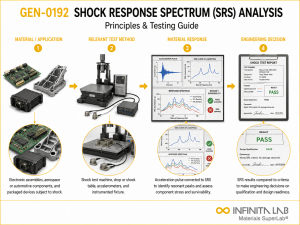
Shock Response Spectrum (SRS) Analysis: Principles & Testing Guide
Shock Response Spectrum (SRS) analysis is a mathematical tool used to characterise the severity of transient shock events and specify...
Read ArticleCoefficient of Friction (COF) Testing for Films, Packaging & Surfaces
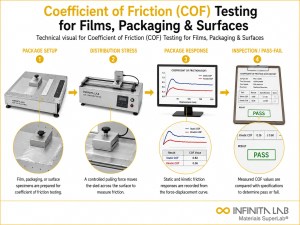
Coefficient of Friction (COF) Testing for Films, Packaging & Surfaces
Introduction The coefficient of friction is a dimensionless variable helpful in characterizing a material’s frictional properties. COF measures the frictional...
Read ArticleMarine Fuel Chemical Testing: Properties, IMO Standards & Lab Analysis
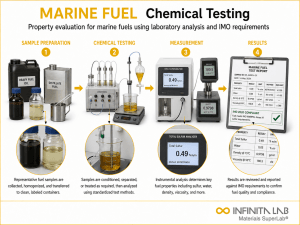
Marine Fuel Chemical Testing: Properties, IMO Standards & Lab Analysis
Overview of Marine Fuels Marine fuels are the petroleum-derived or alternative fuels used to power ship engines, auxiliary generators, and...
Read Article
Get your Ceramic Material testing done from the largest network of accredited labs in the USA
We are a material testing lab with a vast network of accredited labs across the country. Our state-of-the-art equipment and experienced team provide accurate and timely testing services to meet the unique needs of our clients. Partner with us for reliable material testing solutions.
 Quick Turnaround and Hasslefree process
- Confidentiality Guarantee
- Free, No-obligation Consultation
- 100% Customer Satisfaction


