
ASTM C949 Porosity Testing in Vitreous Whitewares by Dye Penetration
ASTM C949 is used for detecting pores, cracks, or other voids that may be present in otherwise impermeable whiteware ceramics.
TRUSTED BY


Precision-driven testing for dimensional accuracy and compliance
- Overview
- Scope, Applications, and Benefits
- Test Process
- Specifications
- Instrumentation
- Results and Deliverables
Overview
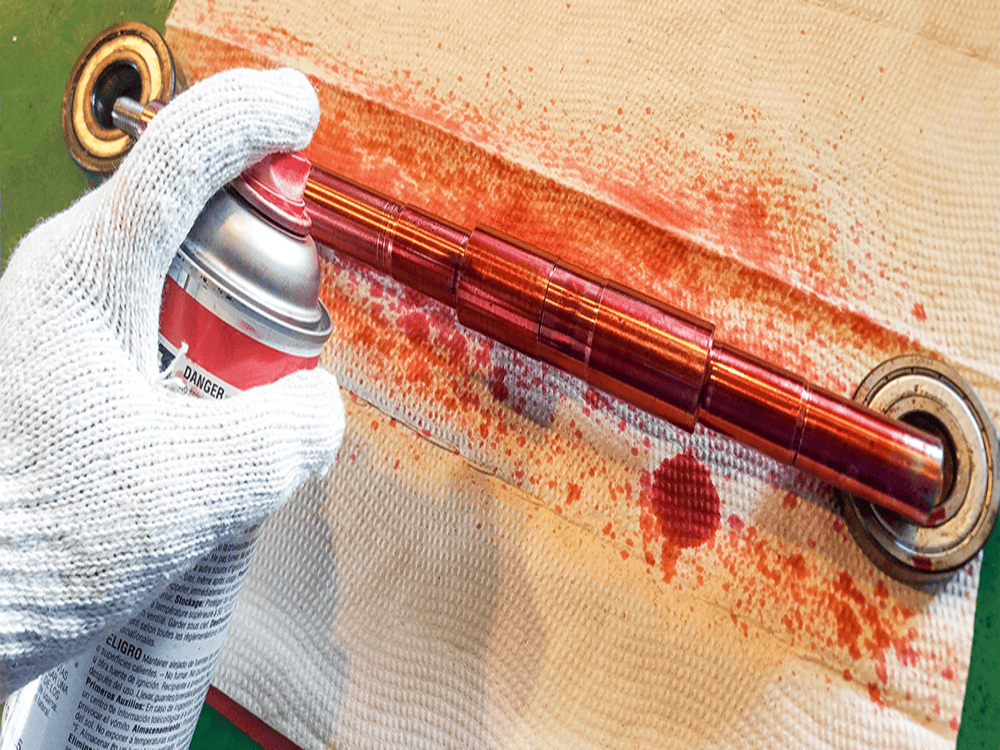
ASTM C949 specifies a qualitative method for detecting porosity in vitreous whiteware products using dye penetration techniques. Porosity in ceramic materials can lead to water absorption, staining, bacterial growth, and long-term durability issues, making its evaluation critical for product performance. The method relies on the ability of a dye solution to penetrate surface-connected pores, revealing defects not visible to the naked eye.
This test is widely used for sanitaryware, tableware, and glazed ceramic products where surface integrity is essential. It helps manufacturers identify micro-defects, assess glaze quality, and ensure that products meet performance expectations for hygiene, durability, and aesthetic consistency.

Scope, Applications, and Benefits
Scope
ASTM C949 covers procedures for detecting surface-connected porosity in vitreous whiteware using dye penetration under controlled conditions, providing a visual indication of defects affecting product quality.
- Applicable to glazed and unglazed vitreous whiteware products
- Detects surface-connected pores and micro-defects
- Uses dye penetration as a qualitative assessment method
- Supports inspection of finished ceramic surfaces
- Suitable for laboratory and production quality control
Applications
- Inspection of sanitaryware and ceramic fixtures
- Quality control in ceramic manufacturing
- Evaluation of glaze integrity and surface finish
- Detection of micro-cracks and porosity defects
- Pre-dispatch inspection of finished products
Benefits
- Simple and effective defect detection method
- Identifies invisible surface porosity
- Enhances product durability and hygiene assurance
- Reduces rejection and customer complaints
- Supports consistent surface quality control
Test Process
Surface Preparation
The ceramic sample is cleaned and dried to remove contaminants that may interfere with dye penetration.
1Dye Application
A penetrant dye solution is applied uniformly over the surface and allowed to infiltrate open մակ pores.
2Excess Removal
Surface dye is carefully removed while retaining dye within pores and defects.
3Inspection and Evaluation
The surface is visually examined for dye indications that reveal porosity or micro-defects.
4Technical Specifications
| Parameter | Details |
|---|---|
| Material Type | Glazed or unglazed vitreous ceramic products |
| Defect Type | Surface-connected porosity and micro-cracks |
| Result Type | Visual indication of dye retention |
| Detection Basis | Capillary action of dye into open pores |
| Surface Requirement | Clean and dry test specimen |
| Environment | Controlled inspection conditions for visibility |
| Application Stage | Finished product inspection and quality control |
Instrumentation Used for Testing
- Dye penetrant solution
- Cleaning solvents
- Absorbent cloth or wipes
- Inspection lighting setup
- Magnifying lens or microscope
- Drying oven (if required)
- Surface cleaning tools
Results and Deliverables
- Visual identification of porous areas
- Inspection report with defect observations
- Classification of surface quality
- Acceptance or rejection status
- Recommendations for process improvement
Frequently Asked Questions
ASTM C949 is used to detect surface-connected porosity in vitreous whiteware products using dye penetration. It helps identify micro-defects that may affect durability, hygiene, and appearance, ensuring that ceramic products meet quality and performance requirements before reaching the market.
Dye penetrates into surface-connected pores through capillary action. After excess dye is removed, any retained dye highlights defects, making otherwise invisible porosity or micro-cracks visible during inspection under proper lighting conditions.
Applying pressure reduces sintering time and porosity. The sintering process reduces porosity and enhances the material's clarity, strength, thermal, and electrical conductivity.
While it helps detect surface-connected porosity, it does not guarantee complete absence of all defects. It should be used alongside other quality control methods for comprehensive evaluation of ceramic products.
The test is qualitative and limited to surface-connected defects. It does not provide quantitative porosity values or detect internal defects, so additional testing methods may be required for comprehensive analysis.
Why Choose Infinita Lab
for Electron Energy Loss
Spectroscopy (EELS)?
At the core of this breadth is our network of 2,000+ accredited labs in the USA, offering access to over 10,000 test types. From advanced metrology (SEM, TEM, RBS, XPS) to mechanical, dielectric, environmental, and standardized ASTM/ISO testing, we give clients unmatched flexibility, specialization, and scale. You are not limited by geography, facility, or methodology – Infinita connects you to the right testing, every time.

Looking for a trusted partner for Electron Energy Loss Spectroscopy (EELS) Testing?
Send query us at hello@infinitlab.com or call us at (888) 878-3090 to learn more about our services and how we can support you.




Request a Quote
Submit your material details and receive testing procedures, pricing, and turnaround time within 24 hours.
 Quick Turnaround and Hasslefree process
 Confidentiality Guarantee
 Free, No-obligation Consultation
 100% Customer Satisfaction
