
Glass Weathering Testing: Corrosion, Durability & ASTM C1503 Standards
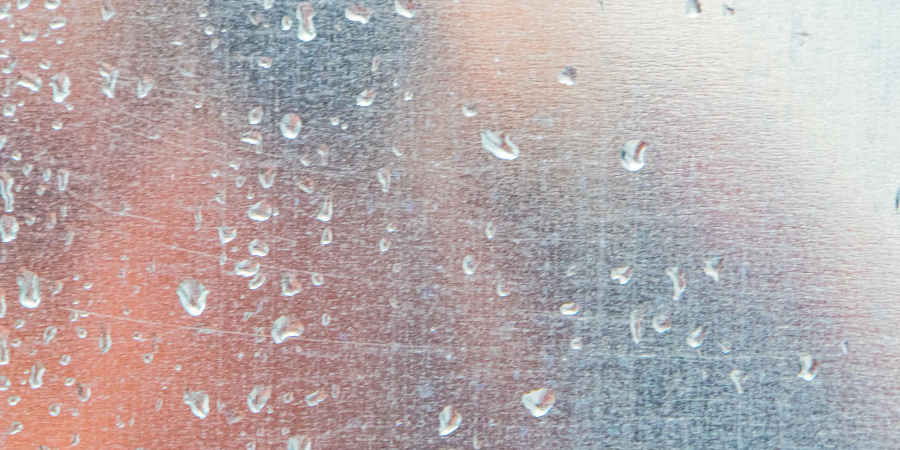
Weathering of glass is the phenomenon by which the glass container is affected because of the presence of water on the glass surface. This is usually caused by condensation and evaporation on the surface of glass. Artificial weathering can be produced in labs and then experiments are done to reduce or remove weathering by continued boiling.
TRUSTED BY


- Overview
- Scope, Applications, and Benefits
- Test Process
- Specifications
- Instrumentation
- Results and Deliverables
Glass Weathering Testing (ASTM C1503) – Overview
Glass weathering testing evaluates the resistance of glass surfaces to environmental degradation caused by moisture, temperature fluctuations, and atmospheric exposure. Under ASTM C1503, the test accelerates weathering conditions to assess corrosion, haze formation, and surface deterioration that occur during long-term service.
This testing is essential for understanding the durability and chemical stability of glass in real-world environments. It helps identify susceptibility to alkali leaching, surface attack, and optical degradation, ensuring that glass products maintain clarity, strength, and performance over time.

Scope, Applications, and Benefits
Scope
Glass weathering testing assesses resistance to environmental corrosion and durability under controlled humidity and temperature exposure conditions.
- Evaluates surface corrosion and chemical durability of glass
- Applicable to flat glass, coated glass, and architectural glazing
- Simulates high humidity and temperature exposure
- Assesses haze formation, staining, and surface degradation
- Supports durability qualification and quality control
- Identifies susceptibility to alkali leaching and weathering defects
Applications
- Architectural and façade glass evaluation
- Automotive glass durability testing
- Coated and tempered glass assessment
- Solar panel glass performance validation
- Packaging and specialty glass testing
- Long-term environmental exposure studies
Benefits
- Predicts long-term durability and weathering resistance
- Identifies surface degradation and corrosion risks
- Ensures optical clarity and performance retention
- Supports compliance with durability standards
- Improves product reliability and lifespan
- Enables material optimization and quality assurance
Glass Weathering Testing (ASTM C1503) – Test Process
Sample Preparation
Glass specimens are cleaned and conditioned to remove contaminants that may influence surface reaction behavior.
1Controlled Environmental Exposure
Samples are exposed to high humidity and elevated temperature conditions to accelerate weathering and corrosion mechanisms.
2Surface Evaluation
After exposure, glass surfaces are examined for haze, staining, and chemical attack using visual and analytical methods.
3Performance Assessment
Results are evaluated based on degree of corrosion, optical degradation, and compliance with specified acceptance criteria.
4Glass Weathering Testing (ASTM C1503) – Technical Specifications
| Parameter | Details |
|---|---|
| Standard Reference | ASTM C1503 |
| Measurement Principle | Accelerated humidity-induced surface corrosion |
| Sample Type | Flat and coated glass specimens |
| Exposure Condition | High humidity and elevated temperature |
| Test Duration | Defined exposure cycles |
| Evaluation Criteria | Haze, corrosion, and surface degradation |
| Output Units | Qualitative rating or haze percentage |
Instrumentation Used for Testing
- Environmental test chamber (humidity and temperature controlled)
- Optical inspection system
- Haze meter
- Surface analysis tools
- Cleaning and conditioning equipment
- Data recording system
Results and Deliverables
- Glass corrosion and durability report
- Haze and optical degradation data
- Surface defect analysis
- Compliance with ASTM C1503
- Performance classification
- Test certification documentation
Frequently Asked Questions
Glass corrosion primarily occurs through ion exchange and leaching, where alkali ions migrate from the surface and react with moisture, leading to network breakdown, surface roughening, and formation of hydrated silica layers.
High humidity provides continuous moisture availability, promoting hydrolysis reactions and alkali leaching, which accelerate surface corrosion and formation of visible defects like haze and staining.
Elevated temperature increases reaction kinetics, enhancing diffusion of ions and accelerating chemical reactions responsible for corrosion and surface degradation.
Distinguishing between reversible surface effects and permanent structural degradation while correlating accelerated test results to real-world performance.
Weathered glass may become more prone to cracks, surface weakening, and in severe cases, breakage, which can pose safety concerns.
Why Choose Infinita Lab
for Electron Energy Loss
Spectroscopy (EELS)?
At the core of this breadth is our network of 2,000+ accredited labs in the USA, offering access to over 10,000 test types. From advanced metrology (SEM, TEM, RBS, XPS) to mechanical, dielectric, environmental, and standardized ASTM/ISO testing, we give clients unmatched flexibility, specialization, and scale. You are not limited by geography, facility, or methodology – Infinita connects you to the right testing, every time.

Looking for a trusted partner for Electron Energy Loss Spectroscopy (EELS) Testing?
Send query us at hello@infinitlab.com or call us at (888) 878-3090 to learn more about our services and how we can support you.




Request a Quote
Submit your material details and receive testing procedures, pricing, and turnaround time within 24 hours.
 Quick Turnaround and Hasslefree process
 Confidentiality Guarantee
 Free, No-obligation Consultation
 100% Customer Satisfaction
