
ASTM D6022 Permanent Shear Stability Index (PSSI) Testing for Lubricants
ASTM D6022 provides a procedure for determining the Permanent Shear Stability Index (PSSI) of an additive by using viscosities before and after a shearing procedure. PSSI is a calculation that can assess the impact of a single blend component on finished lubricant blends.
TRUSTED BY


Precision-driven testing for dimensional accuracy and compliance
- Overview
- Scope, Applications, and Benefits
- Test Process
- Specifications
- Instrumentation
- Results and Deliverables
Overview
ASTM D6022 determines the permanent shear stability index (PSSI) of polymer-modified materials, typically lubricating oils and fluids containing viscosity modifiers. The test evaluates the resistance of materials to permanent viscosity loss under high shear conditions.
This method is widely used in lubrication, automotive, and industrial fluid applications. It helps assess the durability and long-term performance of fluids subjected to mechanical stress.

Scope, Applications, and Benefits
Scope
ASTM D6022 evaluates materials by measuring changes in viscosity before and after exposure to controlled shear conditions. The test quantifies the permanent loss in viscosity due to mechanical degradation.
The test evaluates:
- Permanent shear stability of materials
- Viscosity loss under shear stress
- Mechanical degradation of polymers
- Performance of viscosity modifiers
- Suitability for high-stress applications
Applications
- Engine oils and lubricants
- Industrial hydraulic fluids
- Gear oils and transmission fluids
- Polymer-modified fluids
- Automotive and machinery systems
- Quality control in lubricant production
Benefits
- Provides an accurate shear stability assessment
- Supports formulation of durable lubricants
- Helps predict long-term performance
- Detects degradation of viscosity modifiers
- Enables comparison of fluid stability
Test Process
Sample Preparation
Fluid samples are prepared and initial viscosity is measured.
1Shear Exposure
Fluid samples are prepared and initial viscosity is measured.
2Post-Shear Measurement
Viscosity is measured again after shear exposure.
3Data Recording & Evaluation
Permanent shear stability index is calculated.
4Technical Specifications
| Parameter | Details |
|---|---|
| Applicable Materials | Lubricants and polymer-modified fluids |
| Test Temperature | ~100°C |
| Shear Method | High shear mechanical device |
| Viscosity Range | ~2 cSt to 100 cSt |
| Test Duration | ~30 minutes to 2 hours |
| Measured Outputs | Permanent shear stability index (PSSI) |
Instrumentation Used for Testing
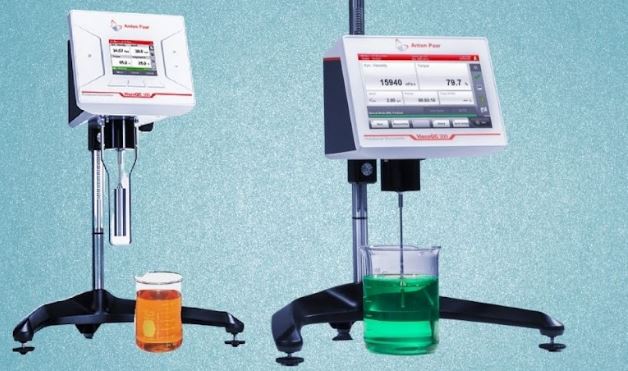
- High shear device (e.g., diesel injector or mechanical shear apparatus)
- Viscometer (kinematic viscosity measurement)
- Temperature control system
- Sample preparation tools
- Calibration standards
- Data acquisition system
Results and Deliverables
- Permanent shear stability index (PSSI)
- Pre- and post-shear viscosity values
- Material degradation assessment
- Comparative fluid performance analysis
- Test condition summary
- ASTM compliance report
Frequently Asked Questions
ASTM D6022 calculates permanent shear stability index of lubricating oils. It evaluates viscosity loss due to mechanical shear, helping assess durability and performance of oils in high-shear operating conditions.
Key parameters include initial viscosity, sheared viscosity, test conditions, temperature, and calculation method. Controlled procedures ensure accurate determination of shear stability index for lubricating oils.
The test calculates permanent shear stability index based on viscosity change. Results indicate resistance of lubricating oils to viscosity breakdown under shear stress.
ASTM D6022 applies to lubricating oils, especially those used in engines, transmissions, and hydraulic systems where shear stability affects performance and longevity.
ASTM D6022 results depend on accurate viscosity measurements and test conditions. It may not fully represent all real-world operating environments, requiring additional performance evaluations.
Why Choose Infinita Lab
for Electron Energy Loss
Spectroscopy (EELS)?
At the core of this breadth is our network of 2,000+ accredited labs in the USA, offering access to over 10,000 test types. From advanced metrology (SEM, TEM, RBS, XPS) to mechanical, dielectric, environmental, and standardized ASTM/ISO testing, we give clients unmatched flexibility, specialization, and scale. You are not limited by geography, facility, or methodology – Infinita connects you to the right testing, every time.

Looking for a trusted partner for Electron Energy Loss Spectroscopy (EELS) Testing?
Send query us at hello@infinitlab.com or call us at (888) 878-3090 to learn more about our services and how we can support you.




Request a Quote
Submit your material details and receive testing procedures, pricing, and turnaround time within 24 hours.
 Quick Turnaround and Hasslefree process
 Confidentiality Guarantee
 Free, No-obligation Consultation
 100% Customer Satisfaction
